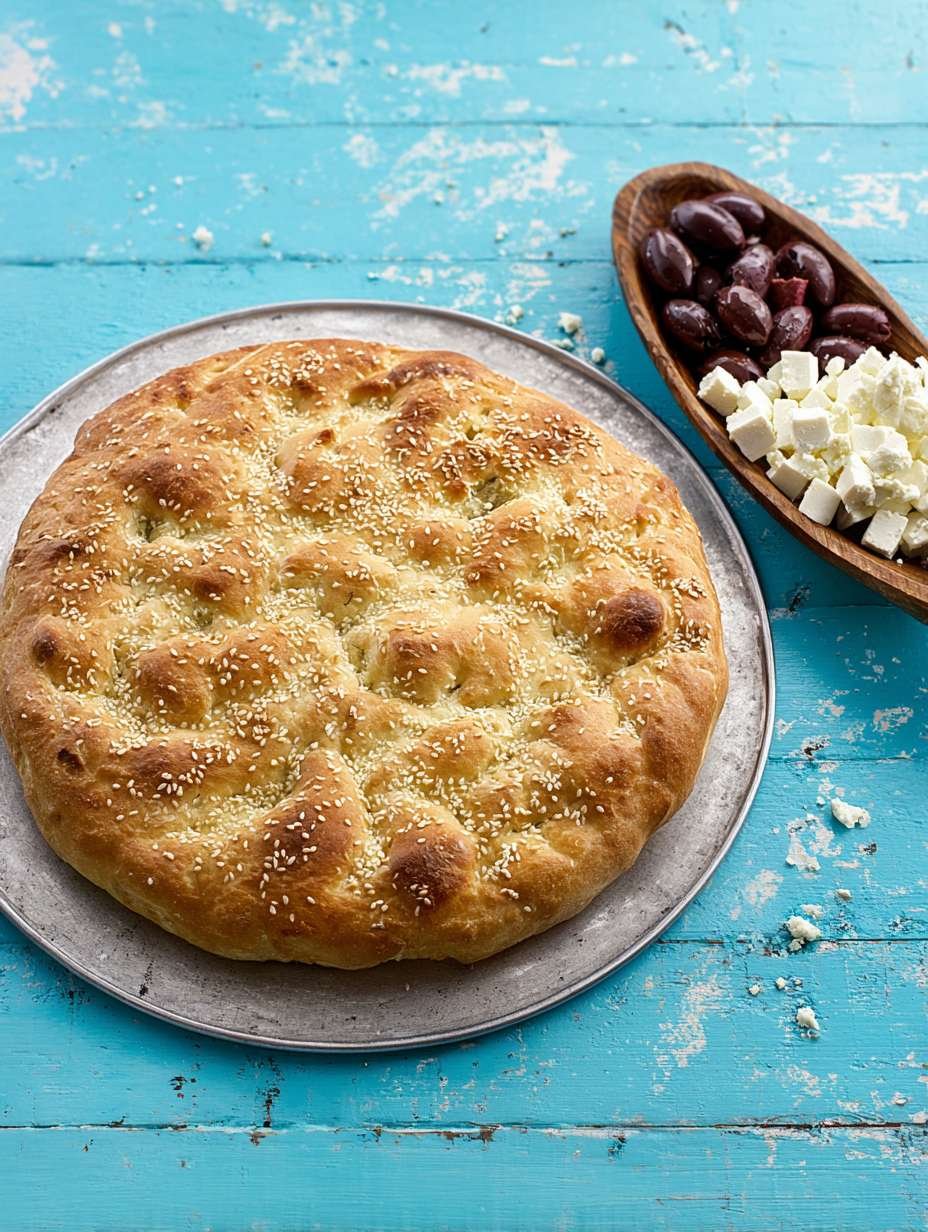
The aroma of freshly baked bread, savory and warm, mingled with the tangy embrace of feta cheese, promises a bite of pure Mediterranean bliss. I remember the first time I attempted making bread; it looked more like a petrified brick than a loaf, but the sheer joy of creating something from scratch was utterly contagious.
Why You’ll Love This Recipe
This recipe isn’t just about baking; it’s an adventure in flavor, surprisingly easy to achieve, even for novice bakers. You’ll be amazed by the soft, airy texture, beautifully contrasted by the rich, salty bursts of feta. Its golden, sesame-crusted exterior is truly a feast for the eyes, making it a showstopper on any table. Plus, its versatility means it’s perfect as a side dish, a hearty snack, or even the base for an impromptu mini-sandwich.
The Irresistible Charm of Homemade Feta Bread
There’s something inherently comforting about a fresh loaf of bread, still warm from the oven, filling your home with its inviting scent. When you add the vibrant flavors of the Mediterranean, like tangy feta and aromatic olive oil, you elevate a simple pleasure into a truly extraordinary experience. This isn’t just any bread; it’s a journey to sun-drenched Greek islands with every tender bite. Imagine the smiles when you pull out a beautifully golden, savory loaf from your own kitchen. It’s the kind of culinary triumph that makes you feel like a seasoned baker, even if your previous baking exploits involved mostly pre-made cookie dough.
Many years ago, I visited a quaint bakery in a small Greek village. They had an ancient oven, tended by a woman who moved with the grace of a chef and the wisdom of an oracle. She handed me a slice of what I now know as a glorious Greek feta bread, warm and crumbly, and it was a revelation. The simplicity, the flavor, the sheer honest deliciousness of it stuck with me. Ever since, I’ve been on a quest to recreate that perfect moment. And let me tell you, after much experimentation (and a few more “petrified brick” incidents), I’ve finally cracked the code with a simple, practical method for a truly sublime homemade feta bread. This recipe lets you capture that Mediterranean magic right in your own kitchen, without needing a village baker or an ancient oven.
Gather Your Culinary Arsenal
Here’s what you need for this delicious dish:
- **Warm water (105-115°F / 40-46°C):** This is crucial for awakening your active dry yeast, ensuring your bread achieves that coveted soft and airy texture. It needs to be just right—too hot will kill it, too cold will slow it down, making your loaf as flat as a pancake.
- **Active dry yeast:** The magical leavening agent responsible for giving this bread its wonderful rise and light texture, transforming simple ingredients into a fluffy, flavorful loaf. It’s the unsung hero that turns dough into dreamy bread.
- **Granulated sugar:** A small amount of sugar acts as food for the yeast, helping it activate and ensuring a vigorous rise for a perfectly tender crumb. Think of it as the yeast’s morning coffee!
- **All-purpose flour:** The foundational element of this bread, providing the structure and body for our Greek feta bread. Always have a little extra on hand for dusting your work surface during kneading; it’s better to have too much than not enough.
- **Salt:** Essential for enhancing all the flavors in the dough and controlling the yeast’s activity, ensuring a balanced and delicious savory profile. Don’t skip it, or your bread might taste a little… flat.
- **Olive oil:** Used for enriching the dough, adding a subtle Mediterranean flavor, and preventing sticking during the rising process, contributing to a tender crumb and a golden crust. Plus, a little extra for greasing is always a good idea.
- **Crumbled feta cheese:** The star of our Greek feta bread, infusing every bite with its characteristic salty, tangy, and creamy notes. This ingredient is what truly makes this homemade bread uniquely delicious and savory.
- **Sesame seeds:** These tiny powerhouses provide a delightful nutty aroma and a delicate crunch to the golden-brown crust of our homemade bread, elevating its texture and visual appeal from good to absolutely gorgeous.
- **Optional: Dried oregano:** A fragrant herb that beautifully complements the feta cheese, adding an authentic, earthy Greek aroma and flavor to your loaf. It’s like a whisper of the Mediterranean breeze.
The complete ingredient list, including quantities, can be found directly under the recipe card.
Crafting Your Greek Feta Masterpiece
Follow these simple steps to prepare this delicious dish:
Step 1: Activating the Yeast and Forming the Dough
In a large bowl, combine the warm water, yeast, and sugar. This is where the magic begins! Let the mixture stand for 5-10 minutes, or until it becomes delightfully foamy. This foam tells you your yeast is alive and ready to make some beautiful bread. Next, add the all-purpose flour, salt, and 2 tablespoons of olive oil to the activated yeast mixture. Stir everything together with a wooden spoon or use a stand mixer fitted with a dough hook until a shaggy, somewhat unruly dough forms. It won’t look pretty yet, but trust the process.
Step 2: Kneading to Perfection and Folding in Feta
Turn the shaggy dough out onto a lightly floured surface. Now it’s time for some therapeutic kneading! Knead the dough for 8-10 minutes by hand, or for 6-8 minutes on medium speed if you’re using a stand mixer. You’re aiming for a smooth, elastic dough that bounces back slightly when you poke it. Once your dough is beautifully elastic, gently fold in the crumbled feta cheese. If you’re using it, add the optional dried oregano at this stage too. Distribute the feta and oregano evenly throughout the dough. Remember, do not over-knead after adding the feta, as it can break down the cheese too much, losing those lovely distinct pockets of flavor.
Step 3: The First Rise and Preparing for Baking
Lightly grease a clean bowl with olive oil. Place your now-smooth and feta-studded dough into the bowl, turning it once to ensure it’s coated all over. This prevents it from sticking and helps it rise beautifully. Cover the bowl with plastic wrap or a clean kitchen towel and let it rise in a warm place. This could be near a sunny window or, for an extra airy texture, in a turned-off oven with the light on. Allow it to rise for 1-1.5 hours, or until it has delightfully doubled in size. While your dough is rising, preheat your oven to 400°F (200°C). Lightly grease a round baking pan or line a baking sheet with parchment paper, preparing for the grand reveal.
Step 4: Shaping the Loaf and Adding Toppings
Once your dough has risen magnificently, gently punch it down to release the air. Transfer the dough to your prepared pan. Now, using your fingertips, press and stretch the dough into a round shape, about 1-inch thick. Use your fingertips to create charming little dimples across the entire surface of the dough; this isn’t just for looks, it helps with even baking and gives the final loaf a rustic appeal. Finally, brush the top of the dough lightly with olive oil. This will help achieve that coveted golden crust. Sprinkle evenly with sesame seeds, ensuring every slice gets a little nutty crunch.
Step 5: Baking Until Golden and Cooling to Enjoy
Slide your prepared pan into the preheated oven. Bake for 20-25 minutes, or until the homemade feta bread is gloriously golden brown and cooked through. The scent that fills your kitchen at this point will be absolutely intoxicating! Once baked, carefully remove the pan from the oven and let the bread cool slightly on a wire rack before you even think about slicing it. This allows the internal structure to set properly. This bread is best enjoyed fresh on the day it is baked. Slice and serve immediately to enjoy the soft texture and savory feta bursts.
Serving Suggestions and Savory Pairings
This versatile Greek feta bread is an absolute superstar, perfect for almost any meal or snacktime occasion. Serve warm slices alongside a vibrant Greek salad with crisp cucumbers, juicy tomatoes, and a tangy vinaigrette. It’s fantastic for soaking up delicious sauces from stews, or simply enjoyed on its own with a drizzle of extra virgin olive oil and a sprinkle of fresh cracked pepper. For a quick lunch, it makes an excellent base for open-faced sandwiches with grilled chicken or thinly sliced roast beef and a few olives. You can even cube it and use it as croutons in a hearty soup! The savory, tangy notes of the feta make it a brilliant complement to so many flavors.
Troubleshooting Your Feta Bread Journey
Even seasoned bakers have moments where things don’t go exactly as planned, but most baking hiccups are easily avoided. As mentioned earlier, the most crucial tip for making this bread is to get your water temperature right for activating the yeast. Too hot and you’ll kill it, leaving you with dense bread. Too cold, and your yeast will be sluggish, resulting in a poor rise. Always use a thermometer to hit that 105-115°F (40-46°C) sweet spot. Another key is patience during the rise; don’t rush it! For an extra airy texture, allow the dough to rise in a slightly warmer spot, like a turned-off oven with the light on. This provides a consistent, cozy environment for the yeast to do its best work. Also, remember not to over-knead after adding the feta, as it can break down the cheese too much and diminish those lovely pockets of flavor.
Storing Your Delicious Creation
While this Greek feta bread is undeniably at its peak when enjoyed fresh on the day it is baked, sometimes you might have a slice or two left over. To keep any remaining slices as fresh as possible, store them in an airtight container at room temperature. It will maintain its quality for up to 2 days this way, ready to be reheated gently or enjoyed as is for a quick and satisfying snack. Just try to resist eating it all in one sitting!
A Slice of Mediterranean Magic
Baking ‘The Perfect Homemade Greek Feta Bread Recipe’ isn’t just about following steps; it’s about creating an experience. From the therapeutic kneading to the intoxicating aroma that fills your home, every part of the process is rewarding. The final result, a soft, airy loaf brimming with savory feta and a hint of sesame, is a testament to the simple joys of homemade goodness. This recipe delivers big on flavor with minimal fuss, making it a staple for any home cook looking to add a touch of Mediterranean flair to their table.
This wonderful loaf yields 8-10 generous slices, perfect for sharing (or not, we won’t tell!). Each serving offers a wholesome balance of flavor and nourishment:
- **Calories:** 250 per serving
- **Protein:** 9g per serving
- **Carbs:** 35g per serving
- **Fat:** 8g per serving
So go ahead, embrace your inner baker, and bring a piece of Greece right into your kitchen with this truly delightful Greek feta bread. Your taste buds (and your family) will thank you!
Improving the Cooking Method
For the fluffiest Greek feta bread, ensure your yeast is properly foamy before adding dry ingredients. Knead the dough until perfectly elastic, then gently fold in the feta to maintain its texture. A crucial step is the full rise, followed by baking until golden for that irresistible crust.
Decorate Your Dish with Your Personal Touch
While this savory bread is magnificent, you can tailor it slightly. Instead of only sesame seeds, mix them with dried oregano for an extra aromatic flourish on top. If you’re a feta fanatic, slightly increase the crumbled cheese folded into the dough for an even bolder flavor.
Smart Tips for Storage and Reheating
Store any leftover bread in an airtight container at room temperature for up to two days to enjoy its delightful texture. To preserve the soft crumb and crisp exterior, gently warm slices briefly in the oven or toaster before serving.
Practical Chef Advice
The aroma of this baking bread always takes me back to my grandma’s kitchen, where she’d always have a warm slice waiting. That first bite, with its savory feta and tender crumb, is pure comfort, a memory I cherish.
Final Thoughts
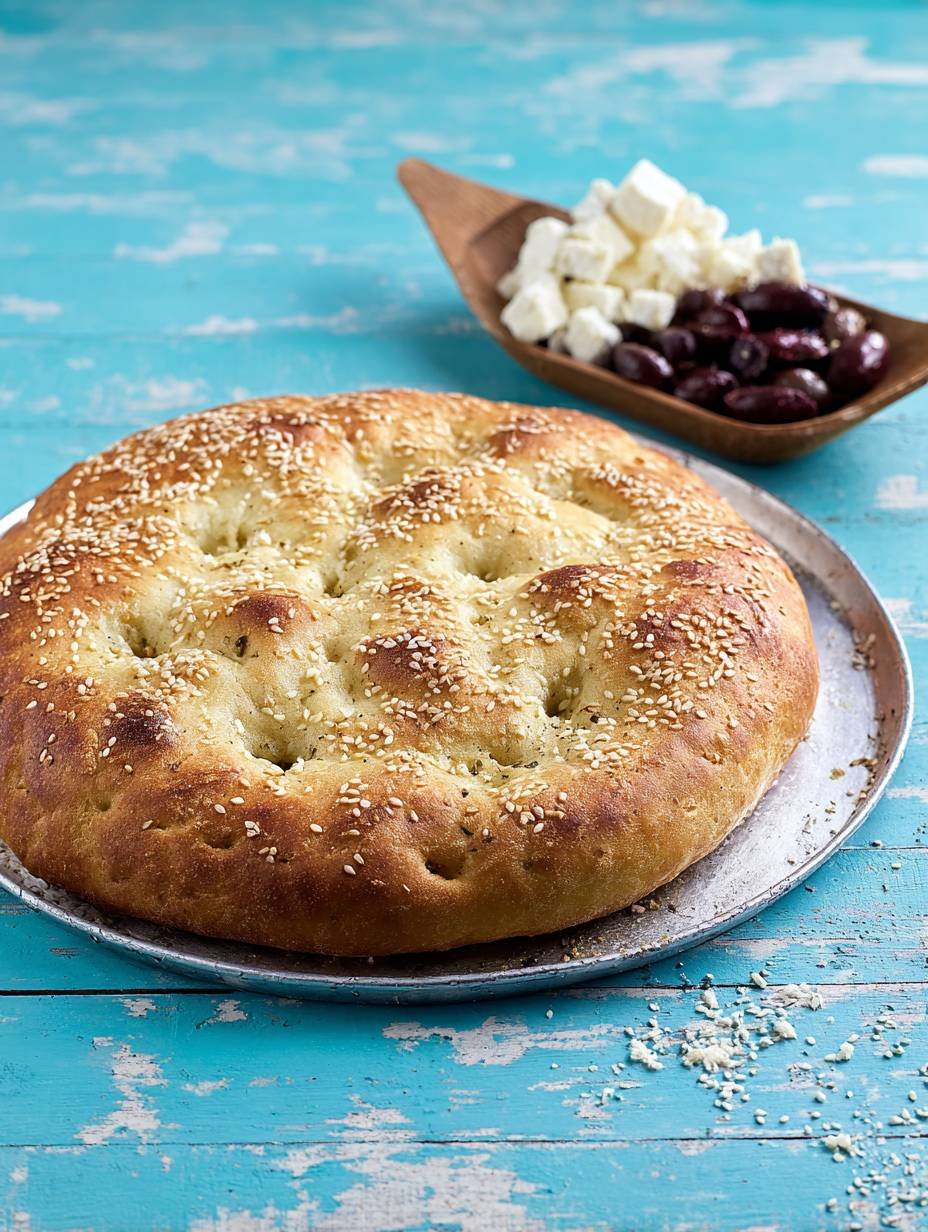
Bringing the delightful aroma of fresh-baked bread into your kitchen is truly special, and this homemade Greek Feta Bread recipe delivers just that. Imagine the soft, airy texture melting in your mouth, enhanced by the savory tang of feta and a subtle crunch from sesame seeds. This versatile bread is perfect whether you are pairing it with a hearty meal or enjoying it as a flavorful snack. Embrace the joy of baking and create this wonderful creation. Don’t wait—try making this irresistible bread yourself today and savor every delicious bite!
Print
The Perfect Homemade Greek Feta Bread Recipe
- Total Time: 50 minutes
- Yield: 8-10 slices 1x
Description
This Greek Feta Bread offers a delightful combination of soft, airy texture and savory flavor. The yeast-leavened dough is infused with crumbled feta cheese, providing a subtle tang and richness throughout. Baked to a golden perfection, the bread is finished with a scattering of sesame seeds, adding a delicate nutty aroma and a slight textural contrast. It is a versatile bread, ideal for serving alongside meals or as a flavorful snack.
Ingredients
- 1 cup warm water (105-115°F / 40-46°C)
- 2 teaspoons active dry yeast
- 1 teaspoon granulated sugar
- 3 cups all-purpose flour, plus more for dusting
- 1 teaspoon salt
- 2 tablespoons olive oil, plus more for greasing
- 1 cup crumbled feta cheese
- 1 tablespoon sesame seeds
- Optional: 1 teaspoon dried oregano
Instructions
- In a large bowl, combine the warm water, yeast, and sugar. Let stand for 5-10 minutes, or until foamy.
- Add the flour, salt, and 2 tablespoons of olive oil to the yeast mixture. Mix with a wooden spoon or in a stand mixer with a dough hook until a shaggy dough forms.
- Turn the dough out onto a lightly floured surface and knead for 8-10 minutes, or until smooth and elastic. If using a stand mixer, knead on medium speed for 6-8 minutes.
- Gently fold in the crumbled feta cheese and optional oregano until evenly distributed.
- Lightly grease a clean bowl with olive oil. Place the dough in the bowl, turning once to coat. Cover with plastic wrap or a clean kitchen towel and let rise in a warm place for 1-1.5 hours, or until doubled in size.
- Preheat your oven to 400°F (200°C). Lightly grease a round baking pan or line a baking sheet with parchment paper.
- Gently punch down the risen dough and transfer it to the prepared pan. Press and stretch the dough into a round shape, about 1-inch thick. Use your fingertips to create dimples across the surface.
- Brush the top of the dough lightly with olive oil and sprinkle evenly with sesame seeds.
- Bake for 20-25 minutes, or until golden brown and cooked through.
- Remove from the oven and let cool slightly on a wire rack before slicing and serving.
Notes
Ensure your water temperature is correct for activating the yeast; too hot will kill it, too cold will slow it down.
For an extra airy texture, allow the dough to rise in a slightly warmer spot, like a turned-off oven with the light on.
Do not over-knead after adding the feta, as it can break down the cheese too much.
This bread is best enjoyed fresh on the day it is baked.
Store any leftovers in an airtight container at room temperature for up to 2 days.
- Prep Time: 25 minutes
- Cook Time: 25 minutes
Nutrition
- Calories: 250 per serving
- Fat: 8g per serving
- Carbohydrates: 35g per serving
- Protein: 9g per serving
FAQs
How important is the water temperature for activating the yeast?
Ensuring your water is at the correct temperature is crucial for the success of this bread. The recipe specifies using warm water between 105-115°F (40-46°C). This range is ideal for activating the active dry yeast, allowing it to become foamy and ready to leaven your dough. If the water is too hot, it can kill the yeast, preventing the dough from rising. Conversely, water that is too cold will significantly slow down the yeast’s activity, leading to a much longer rise time or even an under-risen dough. Precision with water temperature is key for an optimal rise.
When should I add the crumbled feta cheese to the dough?
The recipe instructs you to gently fold in the crumbled feta cheese and optional oregano in step 4, after the dough has been kneaded until smooth and elastic. It’s important to add the feta towards the end of the kneading process. The notes emphasize not to over-knead the dough after the feta has been incorporated. This is because excessive kneading once the cheese is in can cause the feta to break down too much, potentially altering the texture and distribution of the savory cheese throughout your Greek Feta Bread.
What are some tips for achieving an extra airy texture for this bread?
To achieve an extra airy texture for your homemade Greek Feta Bread, several factors are important. First, ensure your yeast is properly activated by using warm water at the specified temperature (105-115°F). For the dough’s initial rise, which takes 1-1.5 hours or until doubled, the recipe suggests letting it rise in a warm place. For an even lighter result, the notes recommend allowing the dough to rise in a slightly warmer spot, such as a turned-off oven with the light on. This consistent warmth helps the yeast thrive, creating more air pockets for a wonderfully light crumb.
How should I store leftover Greek Feta Bread?
To maintain the quality and freshness of your homemade Greek Feta Bread, proper storage is essential. The recipe notes suggest that this bread is best enjoyed fresh on the day it is baked to experience its optimal flavor and texture. However, if you have any leftovers, they can be stored. Simply place them in an airtight container. Keep the container at room temperature. When stored correctly, the bread will remain fresh and delicious for up to 2 days, allowing you to savor its savory goodness a little longer.