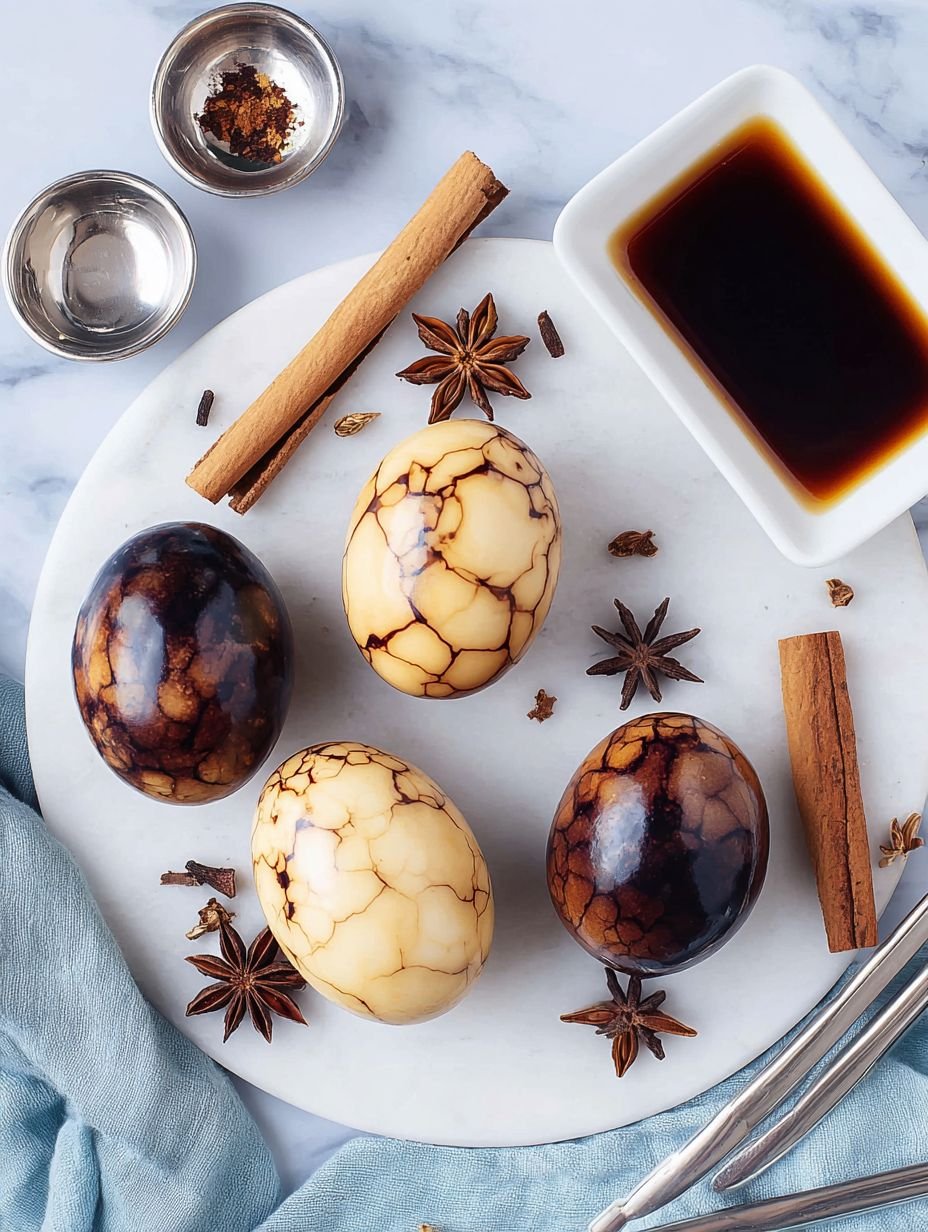
The first delicate crack of a perfectly cooked Chinese tea egg promises a symphony of savory umami, subtle spice, and that satisfying chew of a firm white giving way to a creamy, rich yolk. It’s an edible work of art, each one unique. I remember the first time I attempted these, convinced my kitchen would spontaneously transform into a Michelin-starred dim sum joint; instead, I ended up with what looked suspiciously like dinosaur eggs after a rather aggressive game of bowling.
This recipe for Chinese tea eggs isn’t just about cooking; it’s about crafting an experience. It’s remarkably easy to prepare, making it a perfect project for a leisurely afternoon, yet it yields a unique flavor profile that sets it apart from your average hard-boiled egg. The stunning appearance, with its intricate spiderweb pattern, makes these eggs a conversation starter and a visual delight. Plus, they’re incredibly versatile, equally at home as a sophisticated snack, part of a delightful breakfast spread, or nestled alongside a vibrant stir-fry for an added punch of flavor.
Ingredients for Your Culinary Masterpiece
Here’s what you need for this delicious dish:
All ingredients and quantities can be found directly in the recipe card below.
Crafting Perfectly Marbled Chinese Tea Eggs
: The Step-by-Step Guide
Simply follow these easy steps to prepare this delicious meal:
Boiling Your Eggs to Perfection
Step 1: Place eggs in a saucepan and cover with cold water by about an inch. Bring to a rolling boil over high heat, then immediately reduce heat to low, cover, and cook for 8-10 minutes for firm yolks. This initial boiling ensures the eggs are fully cooked to a firm consistency, providing the perfect base for the marbling process. The timing is crucial for that ideal texture.
Cooling and Preparing for Marbling
Step 2: Carefully remove the eggs from the hot water and transfer them to an ice bath to cool completely, about 10 minutes. This swift cooling process, also known as shocking, stops the cooking immediately, preventing overcooked yolks, and makes the eggshells easier to handle and crack without tearing the whites. It’s an essential step for achieving beautifully prepared tea eggs.
The Art of Cracking for Marbled Beauty
Step 3: Once cooled, gently tap each egg all over with the back of a spoon or roll it on a hard surface to create fine cracks in the shell, ensuring the shell remains intact. Do not peel the eggs. This is the magical moment where the “marbled” effect is born. The network of fine cracks allows the tea-infused liquid to seep in, creating those stunning patterns. Remember, the goal is cracks, not shattered shells.
Preparing the Aromatic Braising Liquid
Step 4: In a clean saucepan, combine 4 cups of water, light soy sauce, dark soy sauce, black tea leaves or bags, star anise, cinnamon stick, cloves, sugar, and salt. Bring the mixture to a boil over medium-high heat. This is where all those incredible flavors, which contribute to the unique taste of perfectly marbled Chinese tea eggs, come together to form the rich, fragrant broth that will infuse your eggs.
Infusing the Eggs with Flavor and Color
Step 5: Reduce the heat to low, add the cracked eggs to the simmering liquid, ensuring they are fully submerged. Cover the saucepan and simmer gently for 30 minutes. This gentle simmer allows the eggs to absorb the complex flavors of the tea and spices, beginning to stain the whites through the cracks. The low heat prevents further cooking while maximizing flavor absorption.
The Patience of Perfection
: Steeping and Chilling
Step 6: After simmering, remove the saucepan from the heat. Allow the eggs to cool completely in the braising liquid, then transfer them (still in the liquid) to an airtight container. Refrigerate for at least 4 hours, or preferably overnight, to allow the flavors to fully develop and the marbled pattern to deepen. This extended steeping time is critical. The longer the eggs soak, the more intense their flavor becomes and the more vibrant that signature marbled pattern will appear. Think of it as a flavor spa for your eggs!
The Reveal
: Unveiling Your Masterpiece
Step 7: When ready to serve, peel the eggs gently under cold running water to reveal the beautiful tea-stained pattern. Serving them this way helps prevent pieces of shell from sticking and allows for a clean, satisfying peel, showcasing your perfectly marbled Chinese tea eggs. Garnish with a sprinkle of fresh cilantro, if desired, and serve immediately to enjoy the aromatic goodness.
Why These Chinese Tea Eggs Are a Culinary Must-Try
Beyond just being delicious, there’s a captivating story behind these savory tea-infused eggs. Often found in Asian convenience stores, street food stalls, and home kitchens, Chinese tea eggs are a testament to simple ingredients transformed into something extraordinary through patience and a touch of culinary magic. The process of making perfectly marbled Chinese tea eggs isn’t complicated, but it does require attention to detail, especially in that crucial cracking stage. Getting those fine cracks just right is the secret to achieving a stunning visual effect that’s as appealing to the eye as it is to the palate.
The balance of flavors in this recipe is truly what sets it apart. The earthy notes of black tea mingle harmoniously with the deep umami of light and dark soy sauces, while the warmth of star anise, cinnamon, and cloves adds a subtle, exotic spice. The granulated sugar beautifully rounds out the savory profile, creating a broth that is both complex and incredibly comforting. Each bite offers a satisfying combination of firm egg white and a creamy, rich yolk, all infused with these aromatic essences. It’s not just an egg; it’s a journey for your taste buds, a little parcel of savory delight that can elevate any meal or snack time.
Tips for Achieving the Best Marbled Pattern
As highlighted in the notes, for the most vibrant marbling, you must ensure the eggshells are cracked thoroughly but not broken into pieces. Think of it like creating a delicate mosaic. If the shells are too broken, the liquid can seep in too much, creating a solid dark color rather than the intricate web. Conversely, too few cracks will result in a less dramatic pattern. The goal is a delicate spiderweb effect across the entire surface of the egg, allowing the tea-infused liquid to paint its masterpiece. Rolling the eggs gently on a flat surface while applying even pressure can help achieve this uniform cracking.
Another critical tip for truly outstanding perfectly marbled Chinese tea eggs is patience with the steeping time. The longer the eggs steep in the liquid, the deeper and more intense their flavor will become. While 4 hours is sufficient for a good flavor, an overnight soak in the refrigerator truly allows the complex spice blend and soy sauces to penetrate the egg white, creating a more pronounced marbling and a richer taste experience. This isn’t a dish to rush; it’s one that rewards a little foresight and planning.
Serving Suggestions and Storage
These aromatic tea eggs are incredibly versatile. They make for an excellent high-protein snack any time of day, a flavorful addition to your breakfast spread, or a unique side dish for Asian-inspired meals like noodle soups, congee, or rice bowls. I sometimes slice them in half and serve them as an appetizer, showcasing their beautiful pattern, or chop them up and add them to salads for a burst of savory flavor. Their firm texture and rich taste mean they hold up wonderfully against other strong flavors.
Thinking about making a bigger batch? You absolutely should! Tea eggs can be stored in their braising liquid in the refrigerator for up to 3-4 days. In fact, many believe they taste even better the day after they are made, as the flavors have had more time to meld and deepen. Just make sure they remain submerged in the liquid to keep them moist and continue absorbing those wonderful spices. When you’re ready to enjoy them, simply take them out, peel, and savor. This extended shelf life makes them perfect for meal prep or for having a delicious, ready-to-eat snack on hand whenever a craving strikes for something savory and satisfying.
Nutrition Facts for Your Marbled Delights
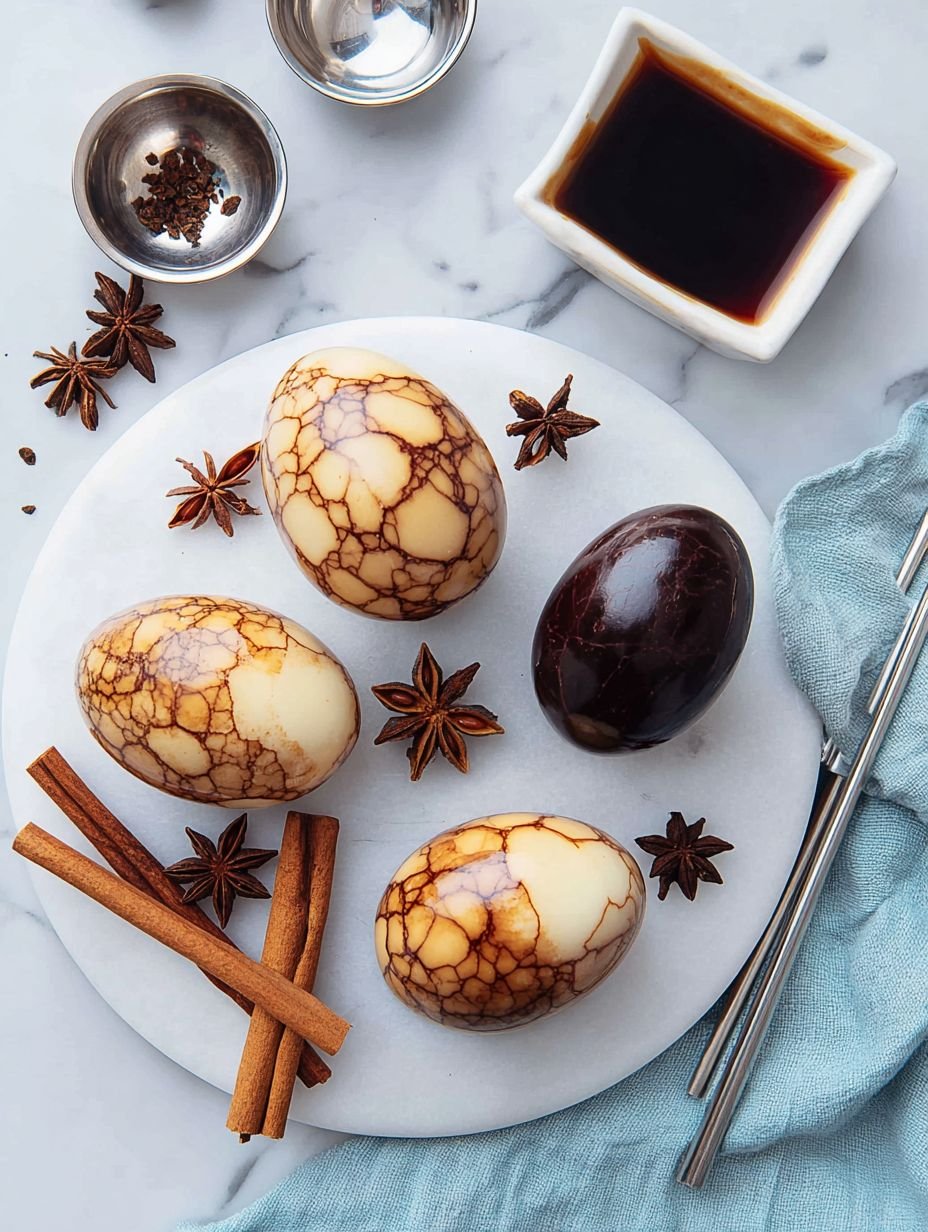
Understanding what you’re eating is part of a balanced lifestyle, and these tea eggs are not only delicious but also offer a good nutritional profile. Each of these perfectly marbled Chinese tea eggs contains approximately:
- **Calories:** 85 per egg
- **Protein:** 6g per egg
- **Carbs:** 2g per egg
- **Fat:** 5g per egg
These figures make them a great source of lean protein, helping you feel full and energized without a heavy calorie load. The low carbohydrate content also makes them suitable for various dietary preferences. They truly are a powerhouse snack that delivers both flavor and nourishment. So go ahead, whip up a batch of these flavorful, perfectly marbled Chinese tea eggs, and enjoy a culinary tradition that’s as beautiful as it is delicious. Your taste buds, and your Instagram feed, will thank you!
Improving the Cooking Method
For the most stunning marbling on your tea-infused eggs, don’t rush the cracking stage. Ensure each egg has myriad fine lines without breaking pieces off. The subsequent low simmer in the aromatic liquid allows those cracks to perfectly absorb the beautiful dark hues, creating that signature pattern every time.
Decorate Your Dish with Your Personal Touch
Infuse your tea eggs with unique aromas! You can substitute the black tea leaves with a different black tea variety for a subtle flavor change. Additionally, adjust the balance of star anise and cinnamon stick slightly to customize the aromatic spice notes in your perfectly marbled Chinese tea eggs.
Smart Tips for Storage and Reheating
To maintain the exquisite flavor and tender texture of these tea-infused eggs, always store them submerged in their braising liquid. Transfer to an airtight container and refrigerate for up to 3-4 days. This keeps the eggs moist and allows the aromatic broth to further deepen the marbling and savory notes.
Practical Chef Advice
My earliest tea egg memory involves a picnic where they vanished instantly, despite my slightly uneven marbling. The pure joy of sharing such uniquely savory eggs remains unforgettable.
Final Thoughts
As we wrap up our journey with these incredible tea-infused eggs, remember the captivating aroma that filled your kitchen, the anticipation building as the eggs steeped to absorb all those wonderful flavors. This recipe for Perfectly Marbled Chinese Tea Eggs Every Time delivers not just a snack, but a culinary experience. You get perfectly firm yolks, whites infused with a subtle spice, and that truly stunning marbled pattern. The blend of black tea, soy sauces, and warm spices creates an unforgettable taste. Don’t wait to bring this unique delight to your table; try preparing them tonight and savor every exquisite bite!
Print
Perfectly Marbled Chinese Tea Eggs Every Time
- Total Time: 45 minutes
- Yield: 6 eggs 1x
Description
These Chinese Tea Eggs feature a beautiful marbled pattern and a savory, aromatic flavor profile. Hard-boiled eggs are gently cracked and then simmered in a fragrant broth infused with black tea, soy sauce, and a blend of traditional spices like star anise and cinnamon. The prolonged steeping allows the eggs to absorb the rich, complex flavors, resulting in a firm egg white with a subtle spice and a creamy yolk. They are a delightful snack or a flavorful addition to a meal.
Ingredients
- 6 large eggs
- 4 cups water, plus more for boiling
- 1/2 cup light soy sauce
- 1/4 cup dark soy sauce
- 2 tablespoons black tea leaves or 2 black tea bags
- 3 star anise pods
- 1 cinnamon stick (about 3 inches)
- 1 teaspoon whole cloves
- 1 tablespoon granulated sugar
- 1/2 teaspoon salt
Instructions
- Place eggs in a saucepan and cover with cold water by about an inch. Bring to a rolling boil over high heat, then immediately reduce heat to low, cover, and cook for 8-10 minutes for firm yolks.
- Carefully remove the eggs from the hot water and transfer them to an ice bath to cool completely, about 10 minutes. This stops the cooking process and makes them easier to handle.
- Once cooled, gently tap each egg all over with the back of a spoon or roll it on a hard surface to create fine cracks in the shell, ensuring the shell remains intact. Do not peel the eggs.
- In a clean saucepan, combine 4 cups of water, light soy sauce, dark soy sauce, black tea leaves or bags, star anise, cinnamon stick, cloves, sugar, and salt. Bring the mixture to a boil over medium-high heat.
- Reduce the heat to low, add the cracked eggs to the simmering liquid, ensuring they are fully submerged. Cover the saucepan and simmer gently for 30 minutes.
- After simmering, remove the saucepan from the heat. Allow the eggs to cool completely in the braising liquid, then transfer them (still in the liquid) to an airtight container. Refrigerate for at least 4 hours, or preferably overnight, to allow the flavors to fully develop and the marbled pattern to deepen.
- When ready to serve, peel the eggs gently under cold running water to reveal the beautiful tea-stained pattern.
Notes
For the most vibrant marbling, ensure the eggshells are cracked thoroughly but not broken into pieces.
The longer the eggs steep in the liquid, the deeper and more intense their flavor will become.
Tea eggs can be stored in their braising liquid in the refrigerator for up to 3-4 days.
- Prep Time: 15 minutes
- Cook Time: 30 minutes
Nutrition
- Calories: 85 per egg
- Fat: 5g per egg
- Carbohydrates: 2g per egg
- Protein: 6g per egg
FAQs
Can I skip the ice bath after boiling the eggs?
This recipe strongly recommends using an ice bath immediately after boiling your eggs. Step 2 instructs you to carefully remove them from the hot water. Transfer them to an ice bath; cool completely for about 10 minutes. This crucial step serves two main purposes. It halts the cooking process, preventing overcooked, rubbery yolks. It also makes the eggs much easier to handle and crack. This prevents accidental peeling. Skipping this step might result in a less desirable texture. It could also make the subsequent cracking process more challenging.
What’s the secret to getting a beautiful, deep marbled pattern?
Achieving that signature marbled pattern relies on how you crack the eggshells in Step 3. The recipe notes emphasize cracking shells thoroughly, but critically, they must not break into pieces. Gently tap each egg all over with the back of a spoon. Alternatively, roll it on a hard surface to create fine cracks. These delicate fissures allow the aromatic braising liquid to seep in. It then stains the egg white, creating that intricate, web-like design. Proper cracking is truly key to this aesthetic appeal.
How long should I steep the tea eggs for the best flavor?
For intense and complex flavors, this recipe outlines a specific steeping and refrigeration process. After simmering cracked eggs in the fragrant liquid for 30 minutes (Step 5), remove the saucepan from heat. Allow the eggs to cool completely within the braising liquid. Step 6 instructs you to transfer them, still submerged, to an airtight container. Refrigerate for at least 4 hours, or preferably overnight. The notes emphasize: longer steeping means deeper, more intense flavor. This allows ample time for the black tea, soy sauces, and spices to truly infuse.
How long can I store these tea eggs, and how should I do it?
You can enjoy these delicious tea eggs for several days. Proper storage, as per the recipe’s guidelines, is important. Step 6 instructs transferring the cooled eggs. Place them, along with their braising liquid, into an airtight container. It is crucial to keep them submerged in this flavorful liquid. Once in the airtight container, refrigerate them. The recipe notes state tea eggs can be stored this way for up to 3-4 days. This method preserves their freshness. It also allows their rich, aromatic flavors to keep developing.