
The aroma of warm, sweet dough, with a delicate crust that crackles just so, and a tender interior that practically melts in your mouth – that’s the promise of truly extraordinary homemade bread. This isn’t just any loaf; it’s a journey back to simple, wholesome flavors.
I still remember my first foray into bread baking, a comical disaster involving sticky dough flung across the kitchen and a loaf that could double as a doorstop. But then I discovered this recipe, and suddenly, baking became less of a chore and more of a delightful adventure, yielding perfect results every time.
Why You’ll Love This Recipe
Prepare to fall in love with a recipe that redefines easy baking. This exquisite loaf offers a unique flavor profile, thanks to ancient einkorn flour, which imparts a subtly sweet and nutty taste unlike anything you’ve had before. Beyond its incredible taste, its stunning golden crust and soft, airy crumb make it a true showstopper, begging to be admired before it’s devoured. Its versatility knows no bounds; perfect as a sandwich foundation, toasted with your favorite spread, or simply enjoyed plain, this bread is destined to become a beloved staple in your kitchen.
Embracing the Ancient Grain: Why Einkorn?
Before we dive into the delightful process of creating this golden, fluffy bread, let’s talk about our star ingredient: einkorn flour. This ancient grain isn’t just a trend; it’s a testament to simplicity and flavor from centuries past. Unlike modern wheat, einkorn boasts a more delicate gluten structure, which is fantastic news for many, but it also means it behaves a little differently in the kitchen. It’s a bit like working with a seasoned artisan – it demands respect and a gentle touch, but the rewards are utterly phenomenal. The subtle sweetness and nutty undertones it brings to this golden, fluffy bread are unparalleled, elevating it far beyond your average store-bought loaf.
When I first started baking with einkorn, I was intimidated. Would it be too sticky? Would it rise properly? Would my attempt at baking a beautiful, golden loaf turn into another doorstop incident? But what I found was a forgiving, flavorful flour that, when handled correctly, produces incredibly tender and moist bread. Its lower absorption rate means you might use slightly less liquid than you would with conventional flours, but don’t worry, the recipe guides you perfectly. This humble grain transforms simple ingredients into something truly special, a comforting aroma filling your home as it bakes. It’s more than just bread; it’s a connection to culinary history, a wholesome embrace of ancestral grains that nourish both body and soul. Get ready for a delicious baking experience that’s surprisingly straightforward and incredibly rewarding.
Ingredients
Here’s what you need for this delicious dish:
The complete ingredient list, including quantities, can be found directly under the recipe card.
Getting Started: Your Essential Prep
Baking a homemade loaf like this golden, fluffy bread is a truly meditative experience, provided you set yourself up for success. Before you even think about mixing, take a moment to gather all your ingredients and tools. This simple act of preparation, often called “mise en place,” will make the entire process smoother and much more enjoyable. Think of it as your personal culinary warm-up. Ensure your einkorn flour is measured precisely, your water is at the perfect warm temperature, and your butter is melted and gently cooled. These small details are the secret sauce to a successful bake, especially when working with unique flours like einkorn.
Creating this delicious bread isn’t just about following steps; it’s about connecting with the ingredients and understanding their roles. The exact quantities of warm water and honey or maple syrup are crucial for properly activating the active dry yeast, which is the cornerstone of achieving a perfectly risen, fluffy loaf. Having your loaf pan greased and ready, and a warm spot picked out for rising, ensures seamless transitions between each stage. This preparation stage allows you to focus on the joy of baking, rather than scrambling for a forgotten item. It’s a testament to the fact that even the most complex-sounding recipes can be wonderfully practical and simple for home cooks with a little planning.
Step-by-Step Instructions
Follow these simple steps to prepare this delicious dish:
**Step 1: Activate the Yeast for a Lively Dough**
In a large bowl, combine precisely 1 cup (240ml) of warm water (ensuring it is between 105-115°F / 40-46°C), 2 tablespoons of honey or maple syrup, and 1 tablespoon of active dry yeast. Stir these ingredients gently until they are just combined, then allow the mixture to sit undisturbed for 5-10 minutes. Watch for a foamy layer to appear on the surface; this effervescence confirms your yeast is alive and ready to bring a beautiful rise to your golden, fluffy bread.
**Step 2: Combine and Begin Mixing the Dough**
Once your yeast is bubbling happily, add 3 cups (360g) of whole grain einkorn flour and 1 teaspoon of fine sea salt to the yeast mixture in the bowl. Next, pour in 2 tablespoons of melted and cooled unsalted butter. Using either a sturdy wooden spoon or the dough hook attachment on a stand mixer, mix all the ingredients together until a shaggy, somewhat sticky dough forms. Remember, einkorn dough naturally tends to be softer and stickier than dough made with modern wheat varieties.
**Step 3: Gentle Kneading for a Smooth Texture**
Lightly flour your work surface, using additional einkorn flour to prevent sticking. Turn the shaggy dough out onto this prepared surface. Knead the dough gently for 5-7 minutes. Focus on developing a smooth and elastic texture. It’s crucial to avoid over-kneading with einkorn, as its delicate gluten structure develops more quickly and can become tough if overworked. Aim for a dough that springs back slightly when pressed.
**Step 4: First Rise: Allowing the Dough to Double**
Lightly grease a clean bowl with unsalted butter or a neutral oil. Place the kneaded dough into the greased bowl, turning it once to ensure it’s coated evenly. Cover the bowl securely with plastic wrap or a clean kitchen towel. Transfer the bowl to a warm, draft-free place and let the dough rise for 1 to 1.5 hours, or until it has visibly doubled in size. This slow rise is key to developing the bread’s full flavor and a beautiful airy crumb.
**Step 5: Shaping and Second Rise for a Perfect Loaf**
Once the dough has completed its first rise, gently punch it down to release the trapped air. Turn the dough out onto a lightly floured surface. Gently flatten the dough into a rectangular shape, then carefully roll it tightly from one long side to the other, forming your loaf. Pinch the seam firmly closed along the bottom to seal the loaf. Place this shaped dough into a greased 9×5-inch loaf pan. Cover the pan loosely with plastic wrap or a clean towel and let it rise again in a warm place for 30-45 minutes, or until it has nearly doubled in size and proudly risen above the rim of the pan. During the final 15 minutes of this second rise, preheat your oven to 375°F (190°C).
**Step 6: Bake to Golden Perfection and Cool**
If you desire an extra soft and golden crust, lightly brush the top of the risen loaf with 1 tablespoon of milk or water just before baking. Carefully place the loaf pan into your preheated oven. Bake for 30-35 minutes, or until the crust is a beautiful golden brown and an instant-read thermometer inserted into the center of the loaf registers an internal temperature of 200-210°F (93-99°C). Immediately remove the loaf from the oven and transfer it from the pan onto a wire rack. Allow the bread to cool completely before slicing to ensure the best texture and prevent it from becoming gummy. Garnish with fresh herbs if using as a savory accompaniment, or simply serve warm with butter for a sweet treat.
From Oven to Table: The Final Flourish
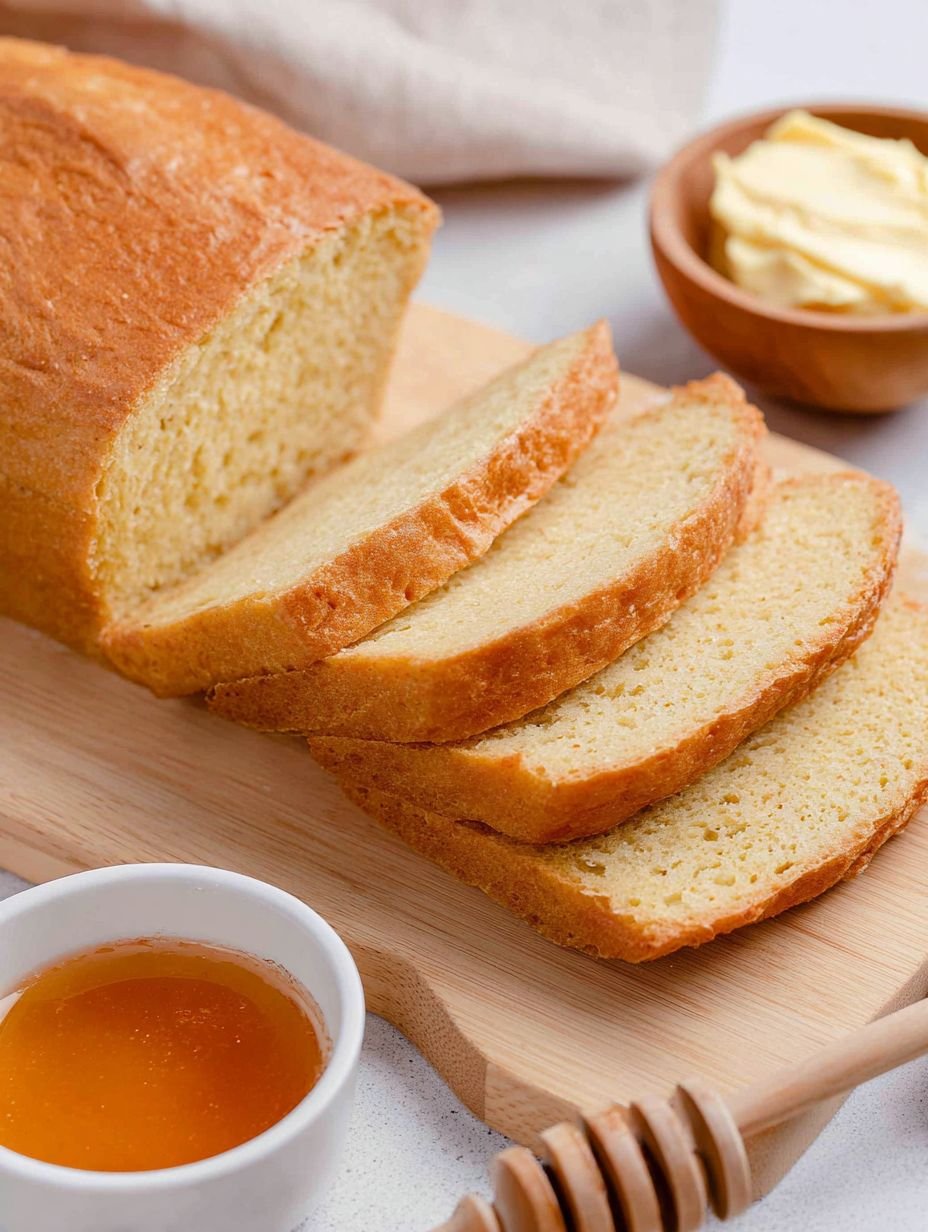
The moment that beautiful golden, fluffy bread emerges from your oven, filling your kitchen with its irresistible aroma, is pure magic. That rich, golden-brown crust and the promise of a soft, airy interior are the culmination of your gentle kneading and patient rising. But don’t rush into slicing just yet! As tempting as it is, allowing your bread to cool completely on a wire rack is a crucial step. This cooling period allows the internal structure of the bread to set properly, ensuring that tender, non-gummy texture we all crave in a perfectly baked loaf. It’s like letting a fine wine breathe – patience yields superior results.
Once cooled, this delicious einkorn loaf truly shines. Slice it thick for the ultimate sandwich experience, with its subtly sweet and nutty flavor providing a wholesome foundation for any filling. Toast it lightly for breakfast, spreading it with your favorite fruit preserves or a smear of butter. It’s equally wonderful simply served plain alongside a warm bowl of soup or a hearty salad. Storing any leftover slices is simple: keep it in an airtight container at room temperature for up to 3-4 days to maintain its freshness. For longer enjoyment, individual slices can be frozen and then toasted directly from the freezer, ready to be enjoyed whenever a craving for homemade golden, fluffy bread strikes.
Your Journey to Perfect Bread Starts Now
There’s something uniquely satisfying about pulling a warm, aromatic loaf of bread from your own oven. It’s a simple pleasure, an ancient craft, and with this recipe for golden, fluffy bread, it’s entirely achievable for anyone, regardless of their baking prowess. We’ve demystified einkorn, celebrated its delicate nuances, and walked through each step with care, ensuring your success. The subtle sweetness, the delightful nuttiness, and that irresistible, tender crumb are all within your grasp.
This isn’t just a recipe; it’s an invitation to experience the joy of baking, to fill your home with comforting aromas, and to share a truly wholesome creation with loved ones. Forget those store-bought imitations; your new favorite bread, with its beautiful golden crust and perfectly fluffy interior, is waiting to be baked. So, gather your ingredients, embrace the process, and prepare to impress yourself and everyone around you with this magnificent homemade loaf. Happy baking!
**RECIPE CARD**
**Golden, Fluffy Bread: Your New Favorite Recipe**
This recipe yields a tender and flavorful sandwich bread, crafted with ancient einkorn flour. The loaf features a delicate golden crust and a soft, airy crumb, offering a subtly sweet and nutty flavor profile. Baked to perfection, it provides a wholesome foundation for sandwiches or a delightful accompaniment to any meal, whether served plain, toasted, or with a spread.
**Ingredients: **
- 3 cups (360g) whole grain einkorn flour
- 1 cup (240ml) warm water (105-115°F / 40-46°C)
- 2 tablespoons honey or maple syrup
- 1 tablespoon active dry yeast
- 1 teaspoon fine sea salt
- 2 tablespoons unsalted butter, melted and cooled, plus extra for greasing
- 1 tablespoon milk or water for brushing (optional)
**Instructions: **
1. In a large bowl, combine the warm water, honey, and active dry yeast. Stir gently and let it sit for 5-10 minutes until foamy, indicating the yeast is active.
2. Add the einkorn flour and salt to the yeast mixture. Pour in the melted butter.
3. Mix with a wooden spoon or a stand mixer with a dough hook attachment until a shaggy dough forms. Einkorn dough is typically softer and stickier than modern wheat dough.
4. Turn the dough out onto a lightly floured surface (use einkorn flour). Knead gently for 5-7 minutes until the dough is smooth and elastic. Avoid over-kneading, as einkorn has less gluten development.
5. Lightly grease a clean bowl with butter or oil. Place the dough in the bowl, turning once to coat. Cover the bowl with plastic wrap or a clean kitchen towel and let it rise in a warm place for 1 to 1.5 hours, or until doubled in size.
6. Gently punch down the dough to release the air. Turn it out onto a lightly floured surface. Shape the dough into a loaf by gently flattening it into a rectangle, then rolling it tightly from one long side to the other. Pinch the seam closed.
7. Place the shaped dough into a greased 9×5-inch loaf pan. Cover the pan loosely with plastic wrap or a towel and let it rise again in a warm place for 30-45 minutes, or until it has nearly doubled and risen above the rim of the pan.
8. Preheat your oven to 375°F (190°C) during the last 15 minutes of the second rise.
9. If desired, brush the top of the risen loaf with milk or water for a softer crust.
10. Bake for 30-35 minutes, or until the crust is golden brown and the internal temperature reaches 200-210°F (93-99°C) when measured with an instant-read thermometer.
11. Remove the loaf from the oven and immediately transfer it to a wire rack to cool completely before slicing. This prevents the bread from becoming gummy.
**Details: **
Servings: 1 loaf (approx. 12-16 slices)
**Nutrition (estimated per slice): **
Calories: 150
Protein: 5g
Carbs: 28g
Fat: 2g
**Notes: **
- Einkorn flour absorbs less liquid than modern wheat, so adjust water slightly if your dough feels too wet or dry.
- Avoid over-kneading einkorn dough; its gluten structure is more delicate.
- Ensure your yeast is fresh and active for optimal rise.
- Cool the bread completely before slicing to achieve the best texture.
- Store leftover bread in an airtight container at room temperature for up to 3-4 days, or freeze slices for longer storage.
Improving the Cooking Method
For truly golden, fluffy bread, ensure your yeast fully foams before adding flour. Time your oven preheat during the last 15 minutes of the second rise for immediate baking. Crucially, cool the loaf completely on a wire rack to prevent a gummy interior and preserve its delightful texture.
Decorate Your Dish with Your Personal Touch
Elevate your Golden, Fluffy Bread: Your New Favorite Recipe with simple touches. For a nuanced sweetness, choose maple syrup over honey in the dough. To achieve a softer, richer crust, brush the loaf with milk before baking instead of water, adding your personal flair.
Smart Tips for Storage and Reheating
To keep your tender einkorn bread fresh, always cool it completely before slicing. Store slices in an airtight container at room temperature for up to four days to preserve its soft, airy crumb. For longer storage, individual freezing maintains its wonderful texture beautifully.
Practical Chef Advice
I still remember the first time this golden loaf emerged from my oven, filling the kitchen with its irresistible aroma. That initial, warm slice was pure, fluffy perfection, cementing its place as a new family favorite.
Final Thoughts
You’ve embarked on a delightful journey to bake a loaf that redefines homemade goodness. This beautiful bread, with its tender crumb, subtly sweet and nutty flavor, and delicate golden crust, promises an experience for your senses. Every slice offers a wholesome foundation for your favorite sandwiches or a perfect accompaniment to any meal. Imagine that inviting aroma filling your kitchen, a true testament to the simple joy of baking. Why wait? Bring this comforting, Golden, Fluffy Bread: Your New Favorite Recipe, to your table and savor its unique charm.
Print
Golden, Fluffy Bread: Your New Favorite Recipe
- Total Time: 1 hour
- Yield: 1 loaf (approx. 12-16 slices) 1x
Description
This recipe yields a tender and flavorful sandwich bread, crafted with ancient einkorn flour. The loaf features a delicate golden crust and a soft, airy crumb, offering a subtly sweet and nutty flavor profile. Baked to perfection, it provides a wholesome foundation for sandwiches or a delightful accompaniment to any meal, whether served plain, toasted, or with a spread.
Ingredients
- 3 cups (360g) whole grain einkorn flour
- 1 cup (240ml) warm water (105-115°F / 40-46°C)
- 2 tablespoons honey or maple syrup
- 1 tablespoon active dry yeast
- 1 teaspoon fine sea salt
- 2 tablespoons unsalted butter, melted and cooled, plus extra for greasing
- 1 tablespoon milk or water for brushing (optional)
Instructions
- In a large bowl, combine the warm water, honey, and active dry yeast. Stir gently and let it sit for 5-10 minutes until foamy, indicating the yeast is active.
- Add the einkorn flour and salt to the yeast mixture. Pour in the melted butter.
- Mix with a wooden spoon or a stand mixer with a dough hook attachment until a shaggy dough forms. Einkorn dough is typically softer and stickier than modern wheat dough.
- Turn the dough out onto a lightly floured surface (use einkorn flour). Knead gently for 5-7 minutes until the dough is smooth and elastic. Avoid over-kneading, as einkorn has less gluten development.
- Lightly grease a clean bowl with butter or oil. Place the dough in the bowl, turning once to coat. Cover the bowl with plastic wrap or a clean kitchen towel and let it rise in a warm place for 1 to 1.5 hours, or until doubled in size.
- Gently punch down the dough to release the air. Turn it out onto a lightly floured surface. Shape the dough into a loaf by gently flattening it into a rectangle, then rolling it tightly from one long side to the other. Pinch the seam closed.
- Place the shaped dough into a greased 9×5-inch loaf pan. Cover the pan loosely with plastic wrap or a towel and let it rise again in a warm place for 30-45 minutes, or until it has nearly doubled and risen above the rim of the pan.
- Preheat your oven to 375°F (190°C) during the last 15 minutes of the second rise.
- If desired, brush the top of the risen loaf with milk or water for a softer crust.
- Bake for 30-35 minutes, or until the crust is golden brown and the internal temperature reaches 200-210°F (93-99°C) when measured with an instant-read thermometer.
- Remove the loaf from the oven and immediately transfer it to a wire rack to cool completely before slicing. This prevents the bread from becoming gummy.
Notes
Einkorn flour absorbs less liquid than modern wheat, so adjust water slightly if your dough feels too wet or dry.
Avoid over-kneading einkorn dough; its gluten structure is more delicate.
Ensure your yeast is fresh and active for optimal rise.
Cool the bread completely before slicing to achieve the best texture.
Store leftover bread in an airtight container at room temperature for up to 3-4 days, or freeze slices for longer storage.
- Prep Time: 25 minutes
- Cook Time: 35 minutes
Nutrition
- Calories: 150 per slice (estimated)
- Fat: 2g per slice (estimated)
- Carbohydrates: 28g per slice (estimated)
- Protein: 5g per slice (estimated)
FAQs
How do I ensure my active dry yeast is properly activated?
To ensure your active dry yeast is ready to work its magic, begin by combining the warm water, honey, and the yeast in a large bowl, as instructed in the first step. The water temperature is crucial here, ideally between 105-115°F (40-46°C). After a gentle stir, let the mixture sit undisturbed for 5-10 minutes. The definitive sign of active yeast is the formation of a foamy layer on the surface. If you don’t see this frothing, your yeast might be old or inactive, and it’s best to acquire fresh yeast for the best results in your baking endeavor.
Why does einkorn dough feel softer and stickier than other bread doughs?
Einkorn flour naturally differs from modern wheat varieties due to its unique gluten structure. As highlighted in the third instruction step, einkorn dough is typically softer and stickier during the mixing and initial kneading stages. This characteristic is entirely normal and contributes to the flour’s distinct properties. It has less gluten development than conventional flours, which means it will handle differently but will still yield a wonderful texture. Embrace its softness and use a lightly floured surface as directed to make handling manageable.
Is there a specific reason to avoid over-kneading einkorn dough?
Yes, avoiding over-kneading is crucial when working with einkorn flour. As stated in step four and the recipe notes, einkorn’s gluten structure is more delicate compared to modern wheat. Over-kneading can lead to a dense, tough loaf rather than the desired soft and elastic texture. The recipe specifies kneading gently for only 5-7 minutes until the dough becomes smooth and elastic, which is sufficient for developing the necessary structure without compromising the flour’s integrity. Always be mindful of this delicate balance for the best outcome.
How long should I cool the bread after baking before slicing?
Cooling the bread completely after baking is a critical step for achieving the best possible texture, as advised in step eleven and the recipe notes. Once your golden-brown loaf exits the oven, immediately transfer it to a wire rack. It should cool fully to room temperature, which can take a couple of hours depending on your kitchen’s environment. This cooling period allows the internal moisture to redistribute evenly, preventing the bread from becoming gummy or overly dense. Patience here truly rewards you with a perfectly textured slice.