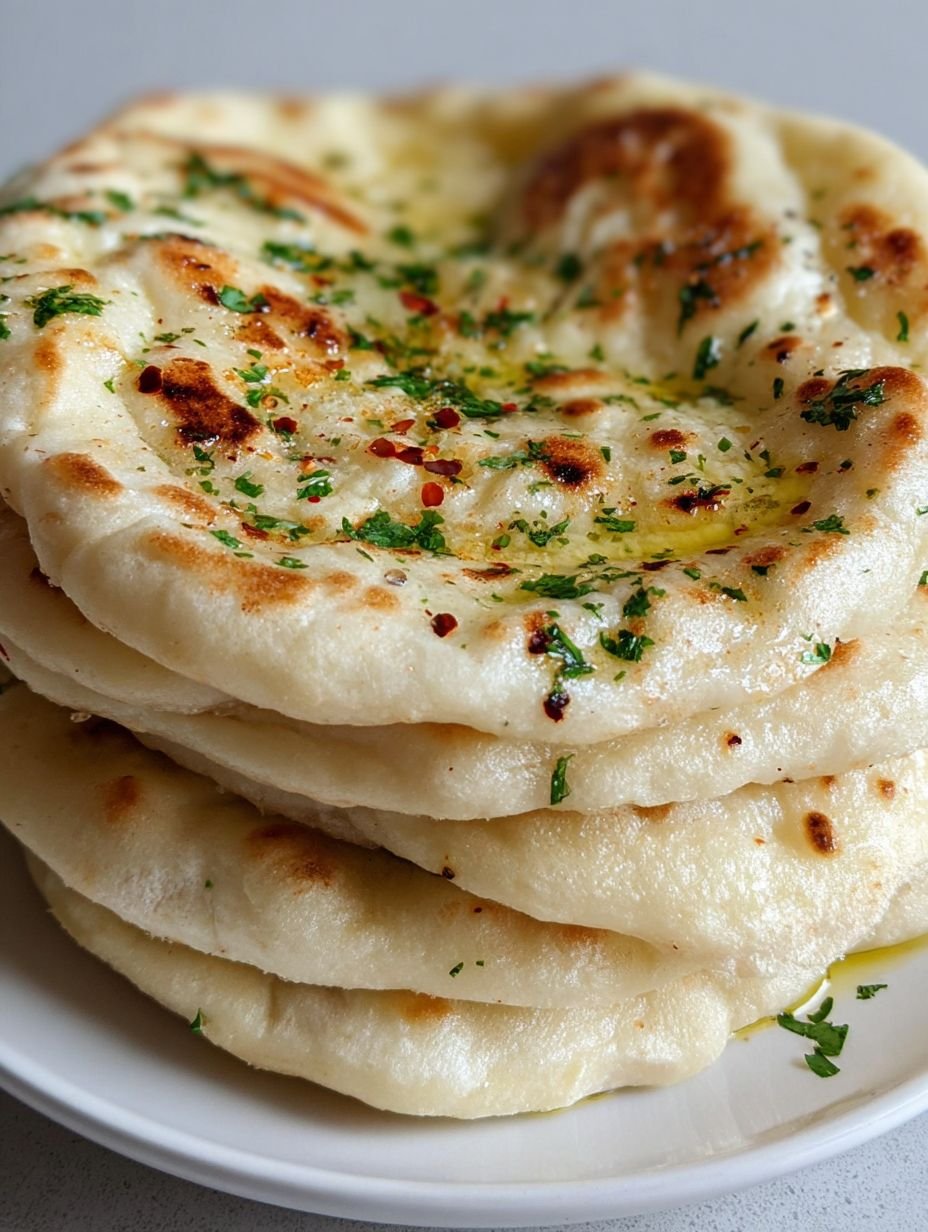
Imagine sinking your teeth into a warm, pillowy flatbread, fragrant with herbs and just a hint of spice, soft and yielding with every bite. This isn’t just a dream; it’s the delicious reality of freshly made bread, right in your own kitchen.
I remember my first attempt at homemade bread. It ended up denser than a brick, yet I still proudly buttered and ate every crumb, convinced I was a culinary genius. Thankfully, those days of bread-based workouts are long behind me!
Reasons Why You’ll Love This Recipe
This recipe is a true game-changer for anyone craving the comforting embrace of homemade bread, offering an incredibly easy preparation that skips the strenuous kneading. Its unique flavor profile, delicately spiced with red pepper flakes and fresh parsley, perfectly complements the rich olive oil, creating a truly stunning appearance with its golden-brown exterior. Plus, its versatility makes it an ideal companion for a myriad of dishes, proving that delicious, artisanal bread is wonderfully accessible to all home cooks.
There is something profoundly satisfying about making bread from scratch, a feeling that transports you to a simpler time when kitchens were the heart of the home. This particular recipe takes that satisfaction and amplifies it, delivering a no-fuss experience that feels incredibly rewarding. Forget the intimidation often associated with yeast and rising dough; we’re about to embark on a journey that prioritizes simplicity without sacrificing an ounce of flavor or texture. This Turkish-inspired flatbread, often confused with naan due to its tender, pillowy nature, truly lets you achieve perfect soft naan bread at home, even if you’re a complete novice. The secret lies in its no-knead method, which means less effort for you and more time to anticipate the incredible aroma that will soon fill your home.
When people think of achieving perfectly soft flatbreads, they often imagine hours of vigorous kneading or complex techniques. But this recipe shatters those myths. It’s designed for real life, for busy schedules, and for anyone who believes that delicious food should also be approachable. We’re talking about a dough that practically makes itself, doing all the hard work while you go about your day. The long, slow fermentation process is where the magic truly happens, developing incredible flavor and that coveted airy texture without any heavy lifting on your part. This gentle approach ensures that every single flatbread turns out beautifully, boasting a tender interior and a subtly chewy bite, making it an ideal choice for any meal. Get ready to impress yourself and your family with this delightful, easy-to-master recipe.
Ingredients You’ll Need
Here’s what you need for this delicious dish:
All ingredients with their exact quantities can be found in the recipe card below.
Crafting Your Soft Flatbreads: Beyond the Basics
Before we dive into the step-by-step process, let’s chat about a few things that will truly elevate your experience and ensure your homemade flatbreads are nothing short of spectacular. This recipe, while straightforward, hinges on a couple of subtle nuances that transform simple ingredients into something truly extraordinary. Understanding the ‘why’ behind certain steps can empower you to achieve perfect soft naan bread at home every single time, turning you into a confident bread maker. The beauty of this Turkish-style flatbread is its forgiving nature; it’s practically designed for busy lives and less-than-perfect kitchen conditions, yet still yields an exceptional result. This isn’t just about following instructions; it’s about embracing the simple magic of yeast and time.
One of the most common questions I get is about troubleshooting sticky dough. While this dough is inherently shaggy and sticky, a sign of its high hydration and future softness, occasionally it might feel a bit unmanageable. The good news is, there’s a simple fix: lightly flour your hands and the work surface as needed. Remember, the goal isn’t to create a perfectly smooth, elastic dough like you would for a traditional kneaded bread. We are aiming for a relaxed, slightly wild dough that, with a little patience, will reward you with an incredibly soft and tender crumb. This minimalist approach is what makes this a fantastic entry point for anyone wanting to delve into the satisfying world of home baking.
Step-by-Step Instructions
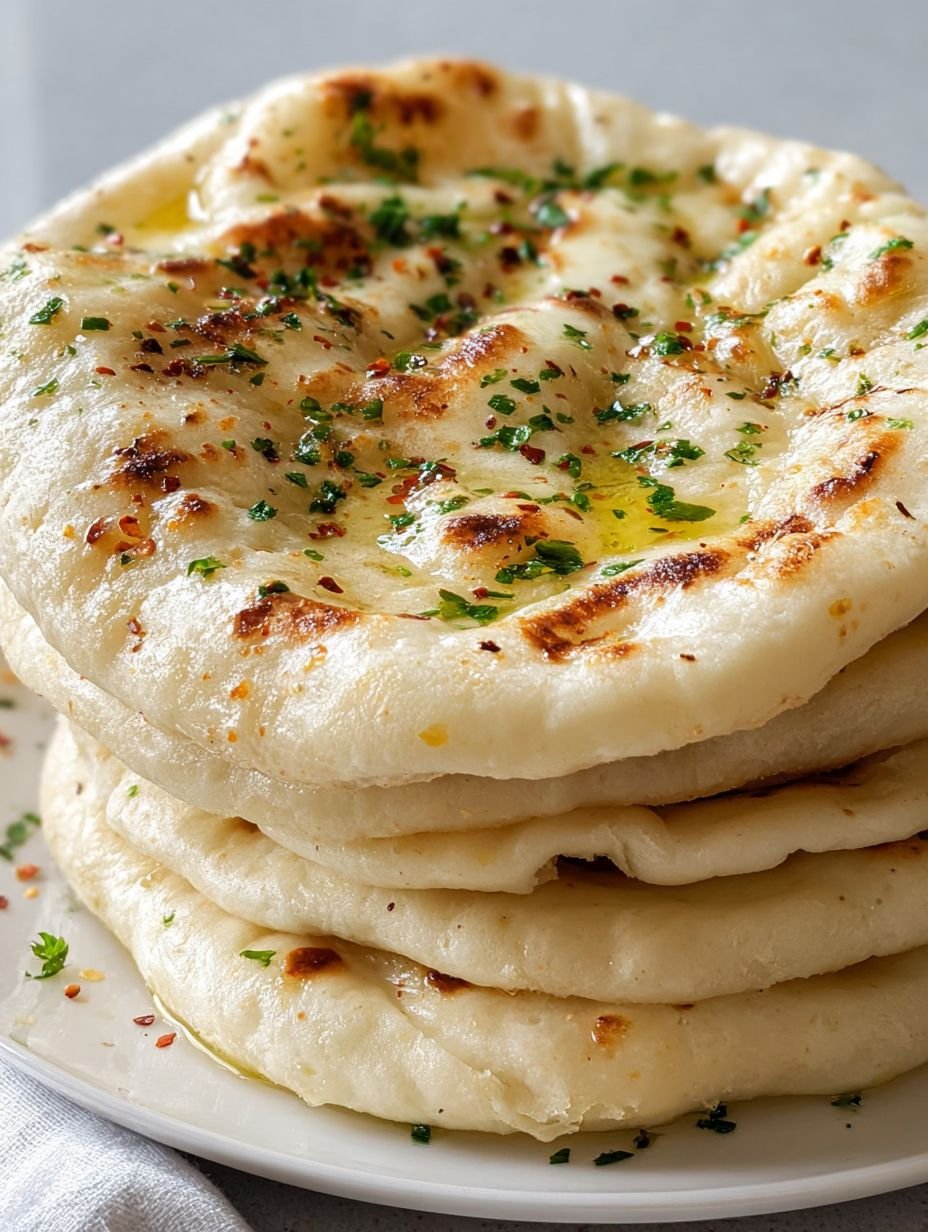
Here’s a simple guide to help you prepare this delicious recipe:
Step 1: Combine Dry Ingredients
In a large bowl, whisk together the all-purpose flour, instant yeast, granulated sugar, and salt thoroughly until well combined. This initial step ensures an even distribution of the leavening agent and flavorings throughout your future soft flatbread.
Step 2: Mix Wet Ingredients and Form Dough
Pour in the warm water, ensuring it is within the 105-115°F (40-46°C) range, and add 2 tablespoons of olive oil to the dry mixture. Mix with a sturdy wooden spoon or a spatula until a shaggy, sticky dough forms, making sure no dry patches of flour remain. Crucially, do not knead the dough at this stage; its sticky, unworked texture is key to its future softness.
Step 3: First Rise (Fermentation)
Cover the bowl tightly with plastic wrap to create a good seal, then let the dough rest at room temperature for 8-12 hours, or until it has visibly doubled in size and appears bubbly on the surface. Alternatively, for a longer fermentation, you can refrigerate it for 12-24 hours. This extended rest is vital for developing flavor and creating the airy internal structure.
Step 4: Prepare Work Surface and Dough
Lightly flour a clean work surface, ensuring it is adequately dusted. Gently scrape the risen dough out onto the floured surface, being careful to preserve the airy structure developed during its long rest. Do not punch down the dough, as this would expel the precious gas bubbles responsible for the bread’s softness.
Step 5: Portion and Shape Flatbreads
Divide the dough into 6-8 equal portions, using a bench scraper or a knife. Gently shape each portion into a round or oval flatbread, aiming for a thickness of about 1/4 to 1/2 inch. Work gently and quickly, being very careful not to overwork the dough at this stage, which could toughen the final product. This gentle handling ensures a truly soft flatbread.
Step 6: Prepare Pan for Cooking
Heat a large cast-iron skillet or a reliable non-stick pan over medium-high heat until hot. Add a small amount of olive oil to coat the bottom of the pan lightly, allowing it to shimmer before adding the dough.
Step 7: Cook the Flatbreads
Cook one flatbread at a time, placing it carefully into the hot pan. Cook for 2-3 minutes per side, or until each flatbread is beautifully golden brown and has puffed up in the center. Repeat this process with the remaining dough portions, adding more olive oil to the pan as needed to prevent sticking and ensure even cooking.
Step 8: Finish and Serve
As each flatbread finishes cooking, transfer it to a serving plate. In a small separate bowl, combine additional olive oil with the finely chopped fresh parsley and the red pepper flakes. Brush this fragrant mixture generously over the warm bread immediately before serving to infuse it with fresh, aromatic flavor. Serve these delightful flatbreads warm, fresh from the pan, to enjoy their truly soft and tender texture.
Beyond the Pan: Serving Suggestions and Simple Joys
Now that you’ve mastered how to achieve perfect soft naan bread at home, the real fun begins: enjoying your culinary creation! These versatile flatbreads are incredibly adaptable and can elevate almost any meal. Their subtle flavor profile makes them an excellent accompaniment to hearty stews, vibrant curries, or even as a simple dipper for your favorite hummus or a flavorful tzatziki. You could even transform them into quick and easy mini pizzas by adding a dollop of tomato sauce, some cheese, and a sprinkle of herbs, then popping them under the broiler for a few minutes. Imagine serving these at your next gathering; they’re guaranteed to be a crowd-pleaser and a conversation starter.
One of the best things about making your own bread, especially this simple flatbread, is the incredible aroma that permeates your home. It’s a scent of comfort, of warmth, and of deliciousness that store-bought bread simply can’t replicate. The act of tearing into a fresh, warm flatbread, still steaming slightly, is a small but mighty joy that everyone deserves to experience. And because this recipe emphasizes minimal handling and a long, slow rise, even beginners can achieve bakery-quality results. Don’t be shy about experimenting with the optional red pepper flakes; a little extra kick can really wake up the palate, or you can omit them entirely for a milder experience.
Keeping Your Flatbreads Fresh
While these Turkish-inspired flatbreads are undoubtedly best served warm and fresh from the pan, you can store any leftovers. Simply allow them to cool completely, then place them in an airtight container or a resealable bag at room temperature for up to two days. To revive their soft texture, gently warm them in a dry skillet over medium heat for a minute or two per side, or briefly microwave them. This simple trick will bring back much of their original warmth and softness, making them almost as good as fresh. Enjoy the lingering satisfaction of your homemade bread!
Nutrition Information
Here’s a quick look at the nutritional breakdown for one serving of these delightful flatbreads:
- Calories: 250 kcal
- Protein: 7g
- Carbs: 45g
- Fat: 5g
These values offer a general guide for one portion of this delicious recipe.
There you have it! A truly effortless and incredibly rewarding way to achieve perfect soft naan bread at home. This recipe isn’t just about making bread; it’s about creating a moment of simple joy in your kitchen, a delicious aroma, and a taste that rivals any restaurant. So roll up your sleeves, embrace the sticky dough, and prepare to delight your taste buds. Your journey to homemade bread bliss starts now, and trust me, it’s going to be wonderfully soft and utterly delicious.
Perfecting the Cooking Process
To achieve perfect soft naan bread at home, timing is everything. After letting your dough rest, gently transferring it to a floured surface is crucial. Avoid punching it down to maintain those precious air bubbles. When shaping, handle the dough minimally; overworking it will make your flatbread dense, losing that desired airy texture.
Add Your Personal Touch
Craving a different twist? For the fresh parsley, consider swapping in finely chopped fresh cilantro for a brighter, zesty note. If red pepper flakes aren’t your jam, try a pinch of sweet paprika for color without the heat, or simply omit them entirely to let the bread’s natural flavors shine.
Storage & Reheating
To preserve the incredible softness of your homemade flatbreads, store them in an airtight container at room temperature for up to two days. For longer storage, freeze them, separating layers with parchment paper. Reheat gently in a warm skillet or microwave to bring back their tender texture.
Helpful Chef Tips
My first attempt at baking this Turkish bread turned into a culinary comedy of errors! Dough stuck everywhere, flatbreads shaped like abstract art. But with patience, I learned to truly achieve perfect soft naan bread at home, and now it’s a staple.
Final Thoughts
Imagine the delicious aroma filling your kitchen as these golden flatbreads puff up. This no-knead recipe delivers a wonderfully soft and airy texture. You can easily **achieve perfect soft naan bread at home**, enjoying fresh, tender flatbreads. This simple method means no fuss. The brightness of fresh parsley adds an aromatic finish. A hint of red pepper flakes provides a gently spiced touch. These versatile flatbreads are perfect with so many meals. Experience the joy of homemade goodness. Gather your ingredients and make this delightful bread tonight!
Print
Achieve Perfect Soft Naan Bread at Home
- Total Time: 35 minutes
- Yield: 6-8 flatbreads 1x
Description
This no-knead Turkish bread offers a delightful balance of soft, airy texture and a subtly chewy bite. Each flatbread is lightly golden from cooking, with a tender interior. It is generously brushed with fragrant olive oil and adorned with fresh parsley and a hint of red pepper flakes, adding a fresh, aromatic, and gently spiced finish to this versatile bread.
Ingredients
- 3 cups all-purpose flour
- 1 teaspoon instant yeast
- 1 teaspoon granulated sugar
- 1 teaspoon salt
- 1 1/2 cups warm water (105-115°F / 40-46°C)
- 2 tablespoons olive oil, plus more for cooking and brushing
- 1/4 cup fresh parsley, finely chopped
- 1 teaspoon red pepper flakes (optional)
Instructions
- In a large bowl, whisk together the flour, instant yeast, sugar, and salt.
- Pour in the warm water and 2 tablespoons of olive oil. Mix with a wooden spoon or spatula until a shaggy, sticky dough forms. Do not knead.
- Cover the bowl tightly with plastic wrap and let it rest at room temperature for 8-12 hours, or until doubled in size and bubbly. Alternatively, you can refrigerate it for 12-24 hours.
- Lightly flour a clean work surface. Gently scrape the dough out onto the floured surface. Do not punch down the dough.
- Divide the dough into 6-8 equal portions. Gently shape each portion into a round or oval flatbread, about 1/4 to 1/2 inch thick, being careful not to overwork the dough.
- Heat a large cast-iron skillet or non-stick pan over medium-high heat. Add a small amount of olive oil to coat the bottom of the pan.
- Cook one flatbread at a time for 2-3 minutes per side, or until golden brown and puffed. Repeat with the remaining dough, adding more oil to the pan as needed.
- As each flatbread finishes cooking, transfer it to a plate. In a small bowl, combine additional olive oil with chopped parsley and red pepper flakes. Brush this mixture generously over the warm bread before serving.
Notes
For best results, use a kitchen scale to measure flour accurately.
Avoid overworking the dough when shaping to maintain its airy texture.
If the dough is too sticky, lightly flour your hands and the work surface.
These flatbreads are best served warm, fresh from the pan.
- Prep Time: 15 minutes
- Cook Time: 20 minutes
Nutrition
- Calories: 250 kcal
- Fat: 5g
- Carbohydrates: 45g
- Protein: 7g
FAQs
How long should I let the dough rise for the best results?
For this no-knead recipe, the dough requires a significant resting period to develop its flavor and airy texture. You should allow it to rest at room temperature for 8 to 12 hours. During this time, it needs to double in size and become noticeably bubbly, indicating the yeast is active. If you prefer to prepare it ahead, you can also refrigerate the dough for 12 to 24 hours. Both methods achieve the necessary fermentation for a delicious flatbread. Ensure the bowl is tightly covered with plastic wrap during the resting period to prevent the dough from drying out.
What’s the best way to handle the sticky dough when shaping it?
When it’s time to shape your flatbreads, you’ll find the dough is quite sticky, which is perfectly normal for this recipe. To manage it effectively, lightly flour your clean work surface before gently scraping the dough out. You can also lightly flour your hands to prevent sticking as you divide the dough into 6-8 portions. Remember not to punch down the dough, as its airy texture is crucial. When shaping each piece into a round or oval, aim for about 1/4 to 1/2 inch thick and be careful not to overwork it. This gentle approach helps maintain the airy quality of the finished flatbreads.
How should I cook the flatbreads to ensure they puff up nicely?
To achieve beautifully puffed flatbreads, use a large cast-iron skillet or a good non-stick pan heated over medium-high heat. Before cooking, add a small amount of olive oil to coat the bottom of the pan; you might need to add more oil as you cook subsequent flatbreads. Place one flatbread at a time into the hot pan. Cook each side for 2 to 3 minutes, or until it turns golden brown and visibly puffs up in the center. The high heat helps create that characteristic puff. Repeating this process ensures each piece is cooked evenly and achieves that delightful texture.
Can I omit the red pepper flakes from the topping?
Absolutely! The red pepper flakes are listed as an optional ingredient in this recipe. While they add a subtle, gently spiced finish to the flatbreads, you can certainly leave them out if you prefer. The primary components of the fresh topping are additional olive oil and finely chopped fresh parsley. This combination contributes a fragrant, aromatic freshness that beautifully complements the warm bread. Feel free to adjust the topping to your personal taste, focusing on the olive oil and parsley for that essential vibrant flavor and visual appeal if you skip the spice.