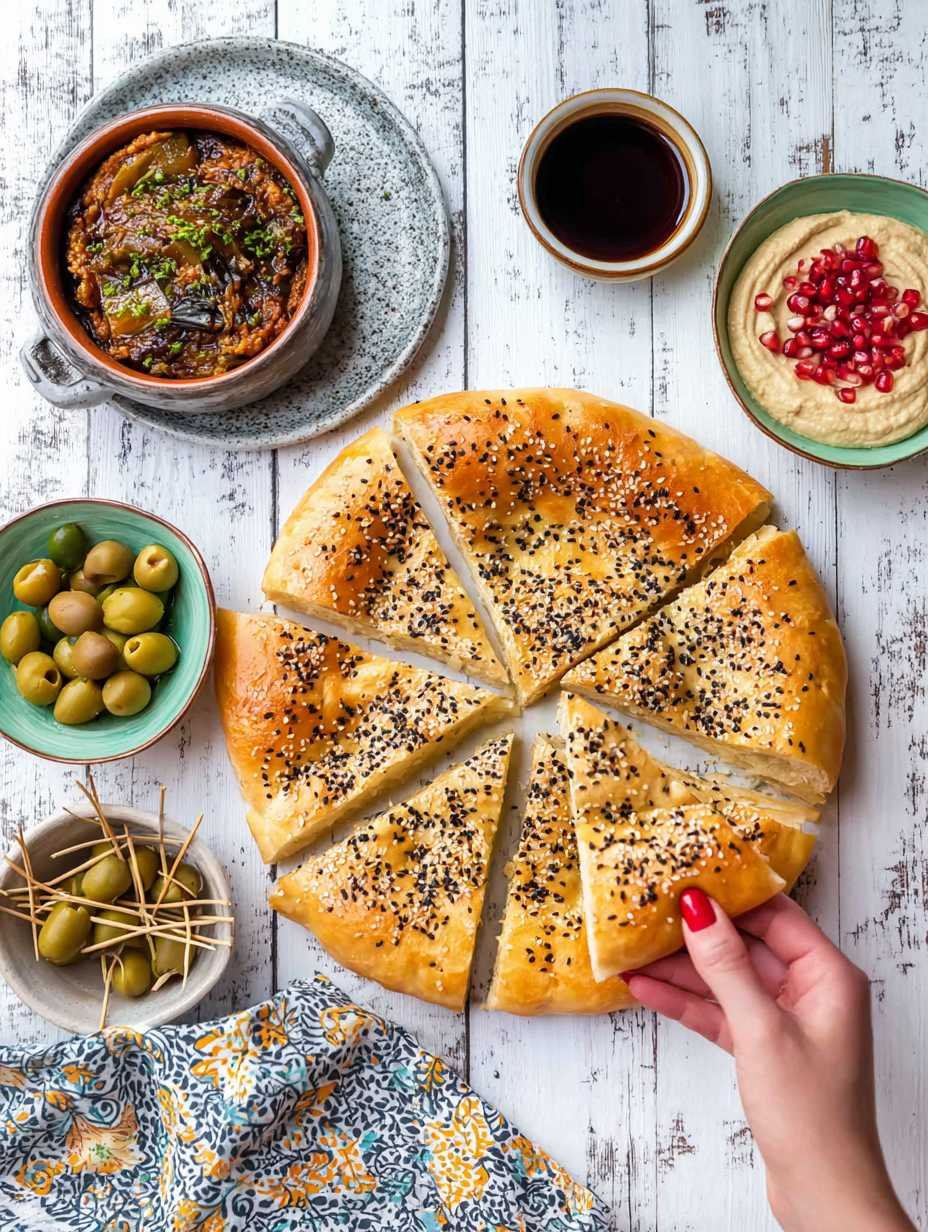
The aroma of freshly baked bread, warm from the oven with a subtle nutty fragrance, is truly an experience. Its soft, pillowy interior and slightly crisp, golden crust beckon you in.
I still remember the first time I tasted authentic pide during a bustling market visit – it was love at first bite, a culinary revelation that still makes me smile.
Reasons Why You’ll Love This Recipe
This recipe is a true game-changer for your kitchen adventures, blending simplicity with spectacular results. You’ll adore how effortlessly it comes together, creating a unique flavor profile that’s comforting yet exotic. Each loaf boasts a stunning appearance, adorned with toasted seeds, making it a beautiful centerpiece for any meal. Plus, its incredible versatility means it pairs perfectly with nearly any dish, from savory stews to vibrant dips.
The Allure of Turkish Pide: More Than Just Bread
There’s something uniquely comforting about a piece of bread that holds centuries of tradition and warmth within its folds. For many, bread is merely a vehicle, a side dish, or a simple carb. But then there’s Turkish Pide, a humble yet magnificent flatbread that elevates every meal it graces. Imagine it tearing effortlessly, steam gently rising, ready to scoop up a creamy hummus or a vibrant tomato salad. This isn’t just bread; it’s an invitation to gather, to share, to experience the simple joy of good food. Creating Delicious Homemade Turkish Pide for Mezze is an art form anyone can master, transforming your kitchen into a fragrant haven.
Turkish cuisine, known for its incredible generosity and diverse flavors, often centers around the concept of “mezze.” Mezze are small dishes, appetizers designed for sharing, that transform a meal into a leisurely, communal feast. And what better companion for an array of delightful mezze than a perfectly baked, fluffy flatbread? This particular variant, with its characteristic seeds and light texture, is a staple. It’s robust enough to stand on its own, yet mild enough to complement the rich tapestry of flavors found in a traditional spread. Bringing this authentic taste into your own home is not just about cooking; it’s about embracing a culinary heritage. The satisfaction of pulling a golden-brown loaf from your own oven, knowing every ingredient that went into it, is unparalleled. It truly is a testament to the fact that the best things in life, and in our kitchens, are often the simplest.
Forget the intimidating notions you might have about yeast and dough; this recipe simplifies the process, making it accessible to even the most novice bakers. We’re talking about basic ingredients, a bit of patience, and the magic of your own hands. The resulting bread isn’t just tasty; it’s a conversation starter, a centerpiece, and proof that homemade always tastes better. The distinct aroma that will fill your home as this savory flatbread bakes is a promise of the deliciousness to come. Get ready to impress your taste buds and everyone around your table with this delightful Turkish bread.
Ingredients
Here’s what you need for this delicious dish:
: The foundational element for our homemade Turkish Pide, providing the structure and light texture. Ensure you have extra for dusting your work surface during kneading.
: This is the magical leavening agent responsible for the airy, fluffy interior that makes this Turkish flatbread so appealing.
: A small amount of sugar acts as food for the yeast, helping it activate properly and lending a subtle sweetness to the dough, enhancing the overall deliciousness.
: Crucial for activating the yeast; getting the temperature just right is key to a successful rise and an incredibly soft pide.
: Essential for flavoring the dough and balancing the other ingredients, bringing out the inherent deliciousness of the bread.
: Adds richness and tenderness to the dough, contributing to the irresistible texture of the homemade pide. You will also need a bit more for preparing your bowl.
: Applied to the surface before baking, this creates that beautiful golden-brown, subtly crisp crust characteristic of authentic Turkish Pide.
: These toasted seeds provide a delightful nutty aroma and a pleasant textural contrast to the soft bread.
: A signature topping for Turkish Pide, nigella seeds offer a unique, slightly oniony, peppery flavor that defines the deliciousness of this specific flatbread.
All ingredients with their exact quantities can be found in the recipe card below.
Mastering the Dough: Tips for Perfect Pide
Creating a perfect loaf of bread, especially one as inviting as this Turkish Pide, often boils down to a few key techniques and a little bit of patience. The process of bread making, from mixing the ingredients to watching the dough rise, is incredibly therapeutic and rewarding. Before we dive into the specific steps, let’s consider what makes this particular bread so special and how you can ensure your homemade version is nothing short of fantastic. One of the most important aspects is understanding your yeast. Active dry yeast needs warm water, but not too hot, to awaken it from its slumber. Think of it as a delicate balance, much like waking up a teenager on a weekend morning—gentle warmth is key, scorching heat is a disaster!
Another critical step in achieving that signature light and fluffy interior of a Turkish Pide is the kneading process. Kneading develops the gluten in the flour, which creates the structure and elasticity of the dough. While it might seem like an arm workout, it’s an essential dance between your hands and the dough, transforming a shaggy mess into a smooth, pliable ball. Don’t be shy; get in there and really work the dough! Your efforts will be rewarded with a superior texture. The first rise is where the magic truly happens, as the yeast gets to work, filling the dough with air pockets. A warm, draft-free spot is ideal for this, allowing the dough to double in size at its own leisurely pace. This patience is what will yield a truly magnificent and Delicious Homemade Turkish Pide for Mezze. Remember these foundational tips as you embark on your bread-making journey, and you’ll be well on your way to a perfect loaf.
Step-by-Step Instructions
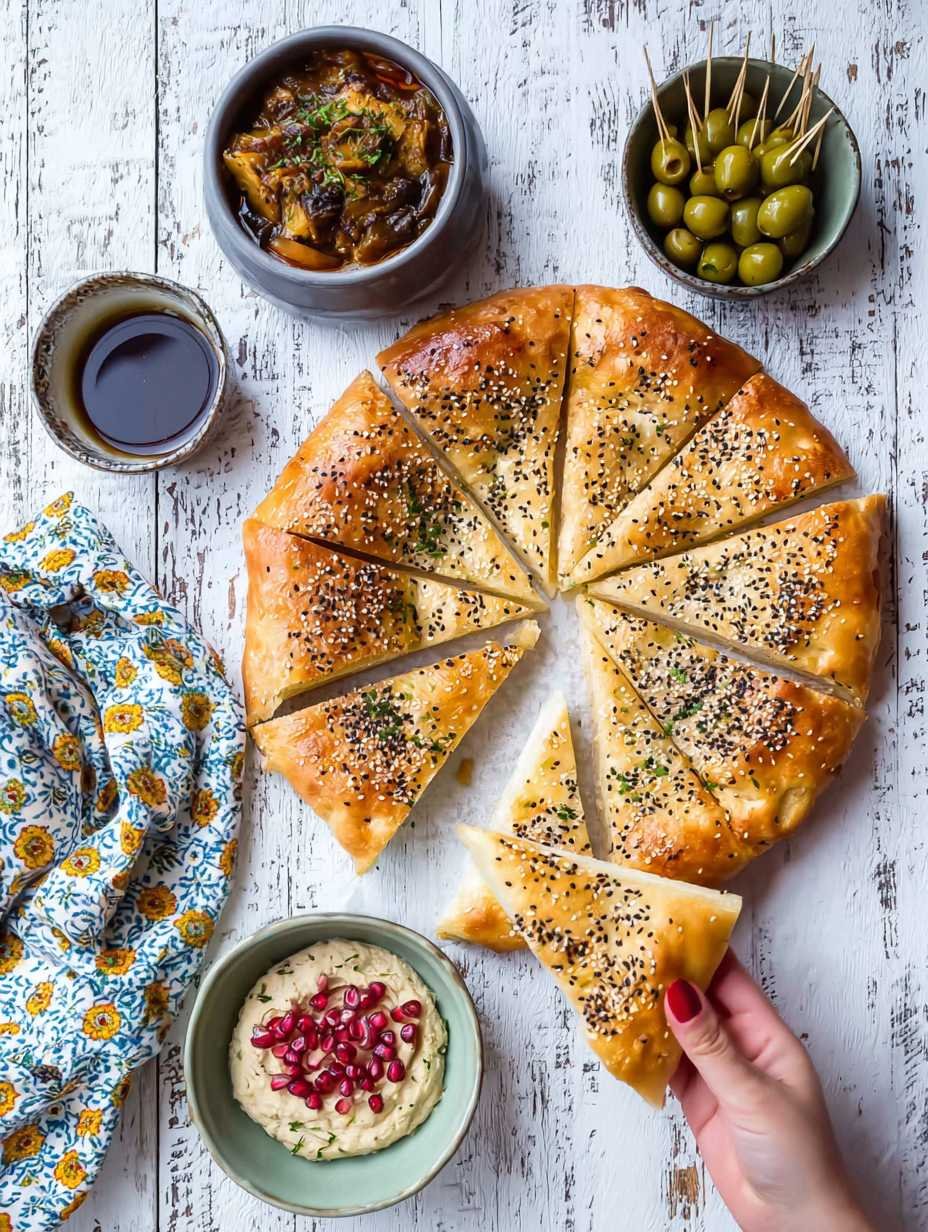
Here’s a simple guide to help you prepare this delicious recipe:
Step 1: Activate the Yeast
In a large bowl, combine the warm water, sugar, and yeast. Stir gently to mix these elements. Allow the mixture to sit undisturbed for 5-10 minutes until it becomes foamy, indicating the yeast is active and ready.
Step 2: Combine Wet and Dry Ingredients
Add the olive oil and salt directly to the activated yeast mixture. Gradually incorporate the all-purpose flour, mixing steadily with a wooden spoon or your hands until a shaggy, cohesive dough begins to form.
Step 3: Knead the Dough
Turn the shaggy dough out onto a lightly floured surface. Knead the dough vigorously for 8-10 minutes until it transforms into a smooth and elastic ball. This step is crucial for developing gluten.
Step 4: First Rise
Lightly grease a clean bowl with a touch of olive oil. Place the kneaded dough in the bowl, turning it once to ensure it is coated lightly with oil. Cover the bowl securely with plastic wrap or a damp cloth and let it rise in a warm place for 1-1.5 hours, or until it has visibly doubled in size.
Step 5: Prepare for Shaping
Gently punch down the risen dough to release the air. Transfer the dough from the bowl to a lightly floured baking sheet that has been lined with parchment paper.
Step 6: Shape the Pide
Using your fingertips, gently press and stretch the dough. Work it into a round or oval shape, aiming for approximately 10-12 inches in diameter and about 1/2 inch thick across the entire surface.
Step 7: Second Rise
Cover the shaped dough again with plastic wrap or a damp cloth. Allow it to rise for an additional 20-30 minutes. This shorter second rise helps the bread become even lighter.
Step 8: Preheat Oven
During the second rise of the dough, preheat your oven to 400°F (200°C). This ensures the oven is at the correct temperature for immediate baking once the dough is ready.
Step 9: Apply Egg Wash and Seeds
Just before placing the dough into the oven, brush the entire surface of the shaped dough with the beaten egg wash. Sprinkle evenly with both white sesame seeds and nigella seeds, ensuring a generous and even coating.
Step 10: Bake the Pide
Carefully transfer the baking sheet with the pide into the preheated oven. Bake for 15-20 minutes, or until the bread achieves a beautiful golden-brown color and sounds hollow when tapped gently on the bottom.
Step 11: Cool and Serve
Remove the freshly baked pide from the oven. Let it cool slightly on a wire rack before slicing. Serve warm, enjoying the soft interior and aromatic crust.
Serving Your Homemade Pide: The Mezze Experience
Once your kitchen is filled with the tantalizing aroma of your freshly baked Turkish Pide, the true fun begins: enjoying it! This bread, with its soft, airy interior and subtly crisp, seeded crust, is practically begging to be torn apart and shared. While it’s utterly delicious on its own, especially when warm, its ultimate purpose is to be the star of a mezze spread. Imagine it alongside a vibrant bowl of hummus, a tangy baba ghanoush, or a refreshing cacik (yogurt and cucumber dip). The versatility of this delightful Turkish bread knows no bounds. It can also act as the perfect accompaniment to hearty stews, grilled meats, or even a simple fresh salad. Its mild, comforting flavor profile makes it an excellent canvas for both robust and delicate dishes.
Beyond just dips, consider pairing slices of this homemade pide with some sliced cucumbers, tomatoes, and olives for a light, yet satisfying, snack. For a more substantial meal, it’s fantastic for soaking up the flavorful juices of a slow-cooked chicken dish or serving with a variety of cheeses. The joy of mezze is in the variety and the sharing, and your Delicious Homemade Turkish Pide for Mezze will be the perfect anchor.
If you happen to have any leftovers – though we doubt you will – they can be stored in an airtight container at room temperature for up to 2 days, maintaining much of their freshness. For longer preservation, freezing is an excellent option, allowing you to enjoy a taste of Turkey whenever the craving strikes. Just a quick note: for an even softer interior, you can place a shallow pan of hot water on the bottom rack of your oven during baking to create some steam. This little trick helps achieve that wonderfully tender crumb. This bread truly shines when enjoyed warm, fresh from the oven, ready to be dipped and devoured with your favorite accompaniments.
Servings: 6-8 slices
Calories: 220 kcal
Protein: 7g
Carbs: 40g
Fat: 4g
There you have it—a truly rewarding journey from simple ingredients to a magnificent, flavorful bread. Baking your own Turkish Pide is not just about making food; it’s about creating memories, sharing warmth, and bringing a touch of an incredible culinary tradition into your home. So go ahead, roll up your sleeves, embrace the dough, and prepare to delight your senses with every single bite. Happy baking!
Mastering the Secrets of Cooking
Achieving perfect Turkish pide relies on precise timing. Your warm water must be spot-on for yeast activation; too hot or cold hinders the rise. Preheat your oven to 400°F (200°C) during the second rise. This guarantees a golden-brown crust and airy interior.
Make Your Recipe Unique
Inject your personal flair! Try a robust extra virgin olive oil for richer flavor, or a lighter one for milder notes. You can also adjust the proportions of white sesame and nigella seeds, perhaps favoring one, to perfectly suit your taste preferences.
Smart Storage & Reheating
For optimal freshness, store leftover pide in an airtight container at room temperature for up to two days. To revive its delightful crispy crust and soft interior, simply reheat it. Use a preheated oven or toaster oven until perfectly warm.
The Chef’s Golden Tips
The aroma of freshly baked Turkish flatbread always transports me back to bustling Istanbul markets, where every bite felt like a warm embrace. Sharing this delightful bread with loved ones creates that same magical feeling.
Final Thoughts
After exploring the simple steps to create Delicious Homemade Turkish Pide for Mezze, you’ll find the rewards immense. This bread offers a beautiful soft interior and a delicately crisp crust, with toasted sesame and nigella seeds providing enhancement. It’s truly an ideal companion for any spread of dips or savory dishes, filling your kitchen with an inviting aroma. Don’t just imagine the warmth and comforting taste; grab your flour and yeast, and bring this delightful bread to your table tonight!
Print
Delicious Homemade Turkish Pide for Mezze
- Total Time: 0 hours
- Yield: 6-8 slices
Description
This traditional Turkish Pide bread presents a delightful balance of a soft, airy interior and a subtly crisp, golden-brown crust. Baked to perfection, its surface is elegantly adorned with a generous scattering of toasted white sesame and distinctive nigella seeds, which impart a delicate nutty aroma and a pleasant textural contrast. The bread offers a mild, comforting flavor, making it an ideal accompaniment for a variety of savory dishes, fresh dips, or enjoyed simply on its own. It is typically baked in a hot oven, ensuring its characteristic light and fluffy texture.
Ingredients
- * 3 cups (360g) all-purpose flour, plus more for dusting
- * 1 teaspoon active dry yeast
- * 1 teaspoon granulated sugar
- * 1 cup (240ml) warm water (105-115°F / 40-46°C)
- * 1 teaspoon salt
- * 2 tablespoons olive oil, plus more for greasing
- * 1 large egg, beaten (for egg wash)
- * 1 tablespoon white sesame seeds
- * 1 tablespoon nigella seeds (black sesame seeds)
Instructions
- In a large bowl, combine the warm water, sugar, and yeast. Stir gently and let the mixture sit for 5-10 minutes until it becomes foamy.
- Add the olive oil and salt to the yeast mixture. Gradually incorporate the flour, mixing with a wooden spoon or your hands until a shaggy dough forms.
- Turn the dough out onto a lightly floured surface and knead for 8-10 minutes until it is smooth and elastic.
- Lightly grease a clean bowl with olive oil, place the dough in it, turning once to coat. Cover the bowl with plastic wrap or a damp cloth and let it rise in a warm place for 1-1.5 hours, or until doubled in size.
- Gently punch down the risen dough and transfer it to a lightly floured baking sheet lined with parchment paper.
- Using your fingertips, gently press and stretch the dough into a round or oval shape, approximately 10-12 inches in diameter and 1/2 inch thick.
- Cover the shaped dough again and let it rise for another 20-30 minutes.
- Preheat your oven to 400°F (200°C) during the second rise.
- Just before baking, brush the surface of the dough with the beaten egg wash. Sprinkle evenly with white sesame seeds and nigella seeds.
- Bake for 15-20 minutes, or until the bread is golden brown and sounds hollow when tapped on the bottom.
- Remove from the oven and let it cool slightly on a wire rack before slicing and serving.
Notes
* Ensure your water temperature is within the specified range to properly activate the yeast; water that is too hot will kill it, while water that is too cold will inhibit its activity.
* For an even softer interior, you can place a shallow pan of hot water on the bottom rack of your oven during baking to create steam.
* This bread is best enjoyed warm, fresh from the oven, served with your preferred dips or as an accompaniment to a meal.
* Leftovers can be stored in an airtight container at room temperature for up to 2 days or frozen for longer preservation.
* The quantity of sesame and nigella seeds can be adjusted to suit individual taste preferences.
- Prep Time: 25 minutes
- Cook Time: 15-20 minutes
Nutrition
- Calories: 220 kcal
- Fat: 4g
- Carbohydrates: 40g
- Protein: 7g
FAQs
How do I properly activate the yeast for the Pide dough?
Proper yeast activation is key for a light and airy dough. Begin by combining the specified warm water, sugar, and active dry yeast in a large bowl. Ensure the water temperature is precisely between 105-115°F (40-46°C). Water that is too hot will destroy the yeast, preventing it from working effectively. Conversely, water that is too cold will hinder its activity, leading to a poor rise. Stir gently and allow the mixture to rest for 5-10 minutes. You’ll know the yeast is active when the mixture becomes delightfully foamy on top. This indicates it’s ready for the next steps.
What can I do to ensure my Turkish Pide has a very soft interior?
For an exceptionally soft interior in your Turkish Pide, creating a steamy environment within your oven during baking is a simple trick. The recipe notes suggest placing a shallow pan of hot water on the bottom oven rack during baking. The steam helps keep the crust pliable for longer during the initial baking phase. This allows the dough to expand fully and results in a wonderfully tender, airy crumb. This method significantly enhances the overall texture, making each slice even more delightful.
Why is the kneading time important for the Pide dough?
Kneading the dough for the recommended 8-10 minutes is a crucial step for developing the gluten structure. This process transforms the shaggy dough into a smooth and elastic consistency. Gluten is a protein network essential for trapping the gases released by the yeast during rising. This gives the bread its characteristic airy and light texture. Proper kneading ensures your Turkish Pide will have the desired chewiness and rise beautifully. This results in that perfect soft interior and resilient structure everyone loves in a delicious homemade bread.
How should I store any leftover Turkish Pide?
To keep your leftover Turkish Pide tasting its best, you should store it properly. This bread is best enjoyed warm, fresh from the oven. However, leftovers can be stored in an airtight container at room temperature for up to two days. For longer preservation, the Pide freezes wonderfully. Simply wrap individual slices or the whole loaf tightly in plastic wrap. Then, place it in a freezer-safe bag. When you’re ready to enjoy it again, thaw it at room temperature. Warm it gently in the oven for a refreshed taste and texture.